
STRANGE MIND
•
STRANGE MIND •
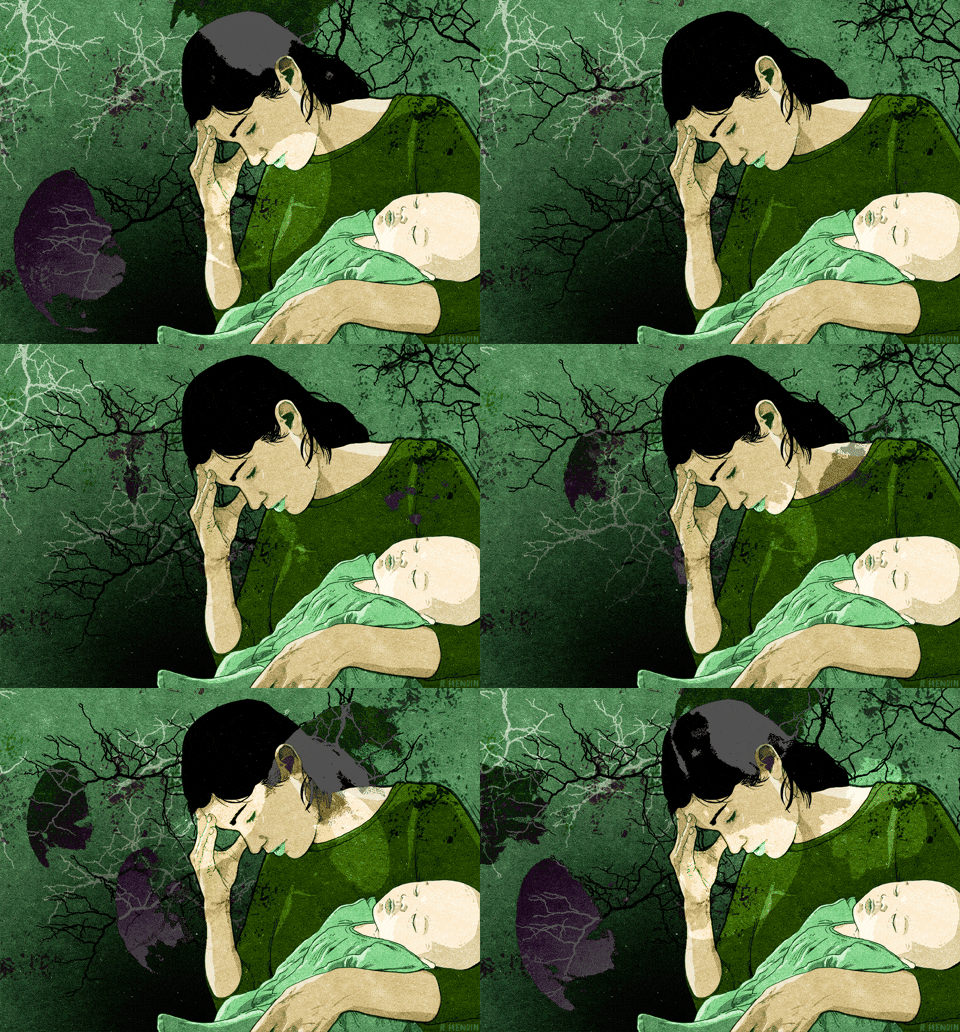
Postpartum Depression and Postpartum Psychosis
What's the difference between postpartum depression and postpartum psychosis? We explore PPD, PPP, psychosis, brain and hormonal changes, new treatments, and the dangerous myths surrounding postpartum mental illness.
This week, instead of featuring photos and links, we’re using this page to clear up some of the most common myths about postpartum depression and postpartum psychosis.
“Postpartum depression and postpartum psychosis are basically the same thing.”
They’re very different. PPD is a depressive disorder. PPP involves loss of contact with reality, which can include delusions, hallucinations, severe confusion, paranoia, disorganized behavior, or profound mood disturbance.“Postpartum psychosis always looks obviously psychotic.”
It doesn’t. Symptoms can fluctuate, and someone may appear organized or relatively normal during portions of the day while still experiencing serious delusions or other psychotic symptoms.“If she knew enough to hide something, make a phone call, or carry out a complicated task, she couldn’t have been psychotic.”
Psychosis does not necessarily eliminate a person's ability to plan, speak coherently, drive, use a phone, or interact normally. Reality testing can be severely impaired in one area while other cognitive abilities remain intact.“Postpartum psychosis means a mother wants to hurt her baby.”
Most people experiencing PPP do not harm their children. When dangerous behavior does occur, it may arise from delusional beliefs, hallucinations, severe confusion, or distorted perceptions rather than ordinary hostility toward the child.“If a mother has thoughts about hurting her baby, she has postpartum psychosis.”
Not necessarily. Intrusive, unwanted thoughts can occur with postpartum depression, anxiety, and especially postpartum OCD. A person may be horrified by those thoughts and have no desire or intention to act on them. That's very different from believing a psychotic delusion.“Postpartum depression is just being sad after having a baby.”
PPD can involve profound anxiety, irritability, guilt, hopelessness, numbness, inability to experience pleasure, sleep and appetite disturbances, difficulty bonding, impaired concentration, and suicidal thoughts. Some people don't describe themselves as particularly “sad.”“Postpartum depression is just the baby blues.”
Baby blues are extremely common and generally resolve within about two weeks. PPD is more persistent and clinically significant.“Postpartum psychosis happens immediately after delivery, so if symptoms appear months later, it can't be postpartum psychosis.”
PPP most commonly begins very soon after childbirth, often within days to the first couple of weeks. However, later postpartum presentations can occur, and clinicians need to evaluate the entire course of symptoms rather than using an arbitrary calendar cutoff.“A good mother wouldn't become psychotic and hurt her child.”
Psychosis isn't a measure of someone's love, character, or parenting ability. Severe psychiatric illness can profoundly distort a person's perception of reality.“Women with postpartum psychosis know that their beliefs aren't real.”
Often, they don't. That's one of the crucial differences between a delusion and an intrusive thought. A delusion can feel completely real to the person experiencing it.“If she remembers what happened afterward, she couldn't have been psychotic.”
Memory and psychosis are separate issues. A person can remember actions that occurred during a psychotic episode.“If she wasn't diagnosed with postpartum psychosis at the time, she didn't have it.”
PPP can be missed or initially mistaken for severe depression, anxiety, insomnia, mania, or another condition, particularly early in its development.“Postpartum psychosis is just an extreme version of postpartum depression.”
This is an especially important one. PPP is generally considered a psychiatric emergency and is strongly associated with bipolar-spectrum illness. It isn't simply PPD that became really severe.“Postpartum psychosis is permanent.”
No. With prompt treatment, many women recover, although having an episode increases the risk of future episodes, particularly following subsequent pregnancies.“Postpartum mental illness happens because someone couldn't handle motherhood.”
These are medical and psychiatric conditions involving biological vulnerability, dramatic hormonal changes, sleep disruption, psychosocial factors, and, particularly with PPP, vulnerability to mood disorders. They aren't evidence that someone simply wasn't emotionally strong enough.
And here’s a link to an article about the medication we refer to in the episode, Zuranolone

EP. 18
Postpartum Depression and Postpartum Psychosis
Postpartum depression and postpartum psychosis are often talked about as though they're interchangeable, but they're very different conditions. In this episode, we break down PPD versus PPP, what psychosis actually looks like, what's happening in the brain and body after childbirth, and how a loving mother can become so disconnected from reality that she does something completely unimaginable. We also tackle the myths, the new treatments, and why understanding the difference can literally save lives.
Click HERE to listen to the full episode:
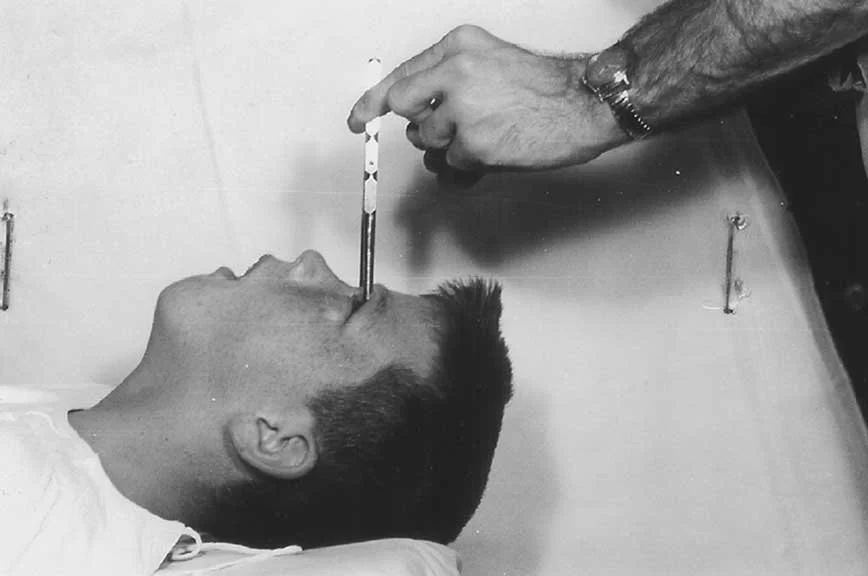
Lobotomy: The Ice Pick, the Nobel Prize, and the Doctor Who Wouldn't Stop
A doctor with an ice pick, a Nobel Prize, and thousands of altered lives. Explore the dark history of lobotomy, Walter Freeman, Egas Moniz, and one of psychiatry's most infamous treatments.
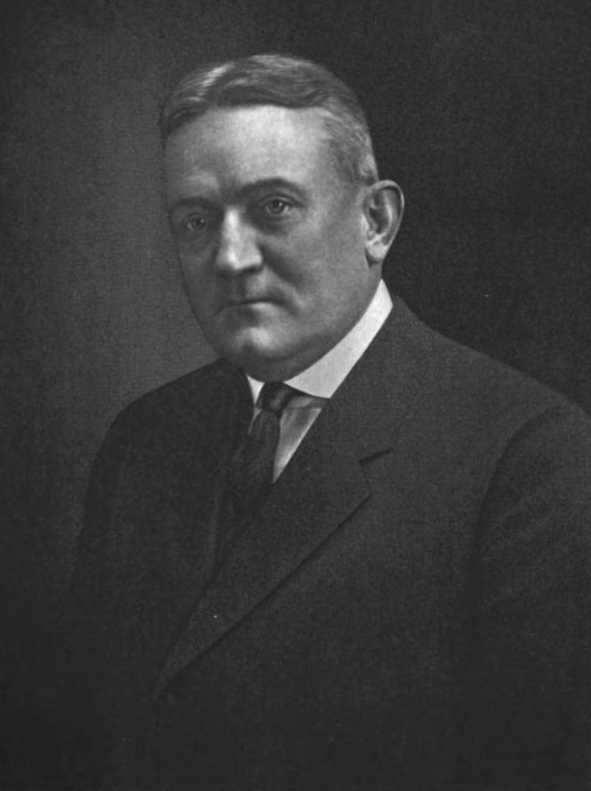
Dr. Henry A. Cotton (1869–1933), American Psychiatrist and medical director at the NJ (woot!) State Hospital at Trenton. Because he believed that major mental illnesses were caused by infections in the body, he removed teeth, tonsils, colons, gallbladders, and reproductive organs - even though his patient mortality rates were up to 30%!
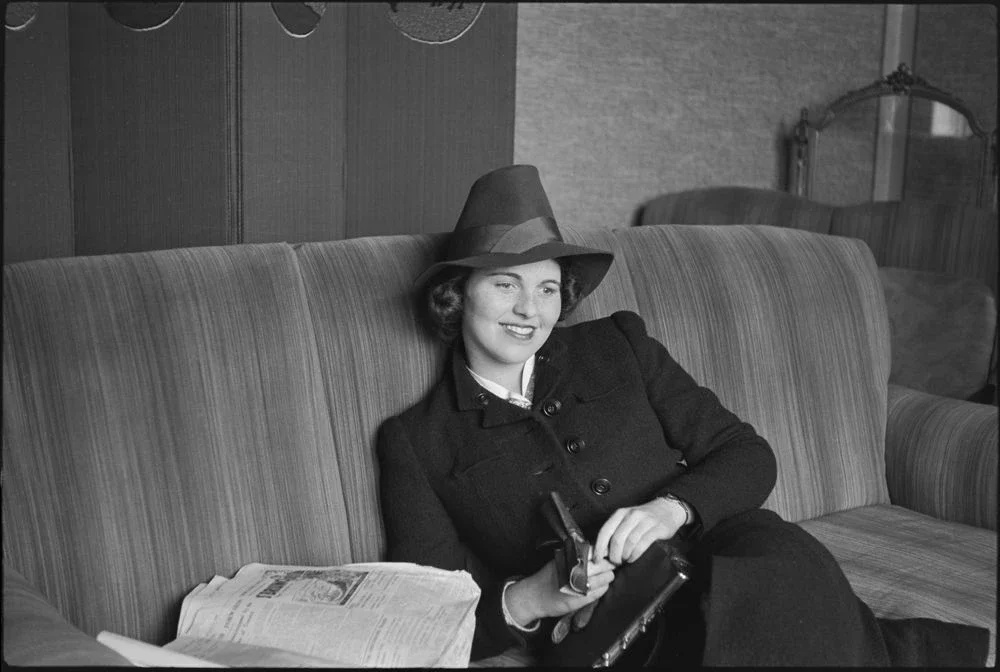
Rosemary Kennedy prior to being lobotomized.

The lobotomy that was supposed to help Rosemary left her profoundly disabled; she lived out the rest of her life in an institution.
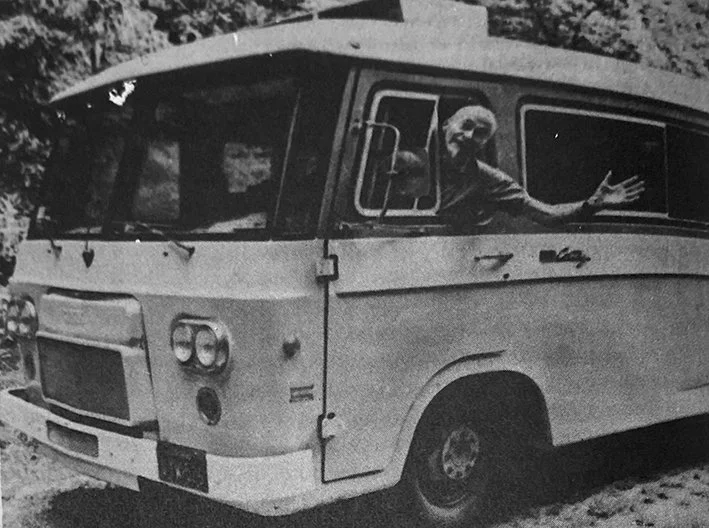
Walter Freeman in his lobotomobile.
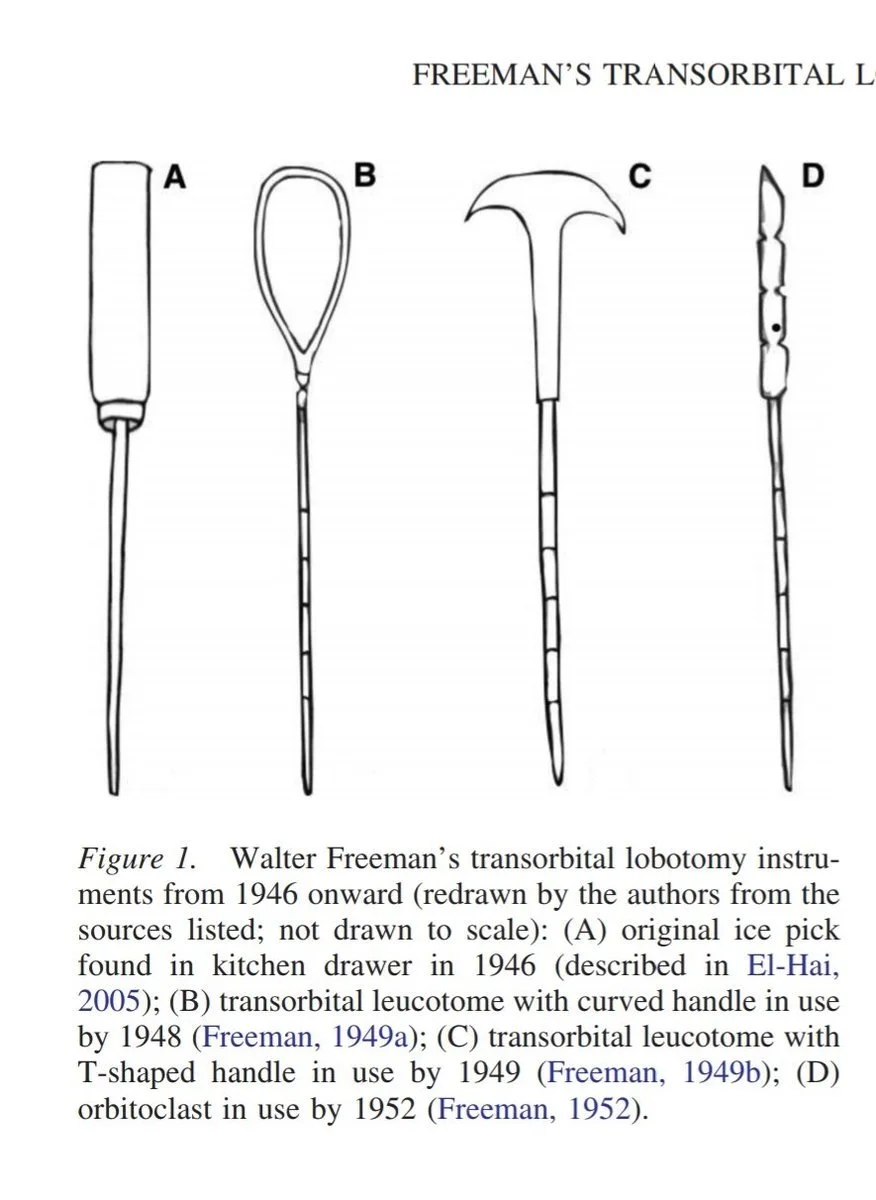
The “evolution” of instruments with which Freeman scraped patients’ brains.
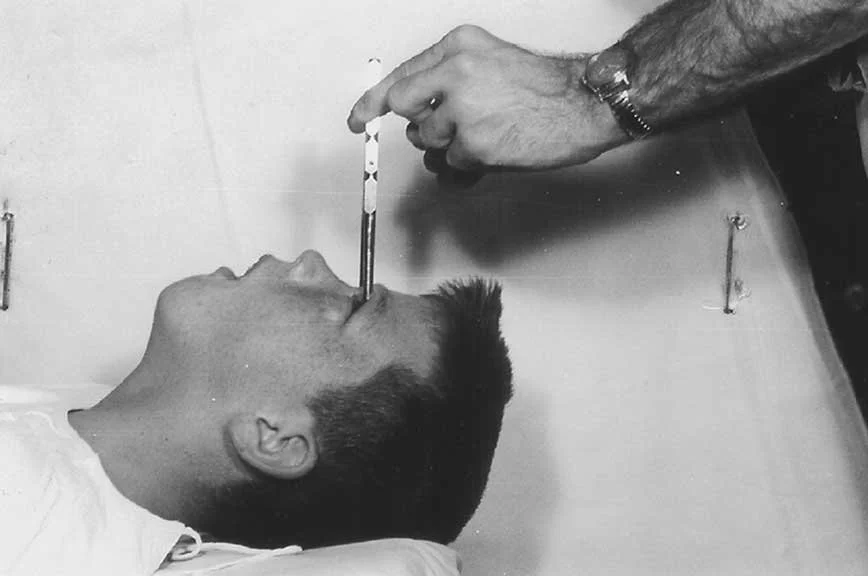
Howard Dully was just 12 years old when Freeman lobotomized him.
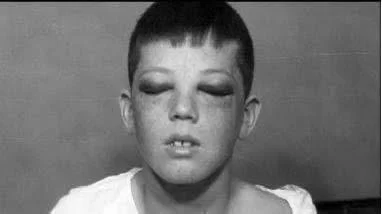
He went into the hospital thinking he was having tests done, and came out with two black eyes and a severely altered brain.
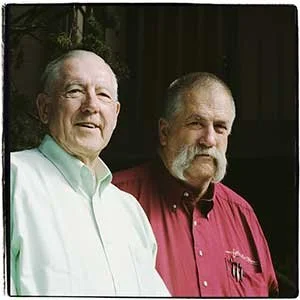
Dully with his father, he put the pieces together of his life story decades later.
Check out the fascinating autobiographical audiobook HERE
EP. 17
Lobotomy: The Ice Pick, the Nobel Prize, and the Doctor Who Wouldn't Stop
A doctor with an ice pick, a Nobel Prize, and thousands of altered lives. In this episode, we explore the desperate conditions that made lobotomy seem like a miracle, the doctors who championed it, and how Walter Freeman turned a radical brain surgery into one of the most infamous treatments in psychiatric history.
Click HERE to listen to the full episode:

Amnesia: H.M., Clive Wearing & the Science of Memory
H.M. couldn't make new memories. Clive Wearing seemed to wake up every few seconds. Their extraordinary cases revealed that memory isn't one thing but a collection of different systems working throughout the brain.
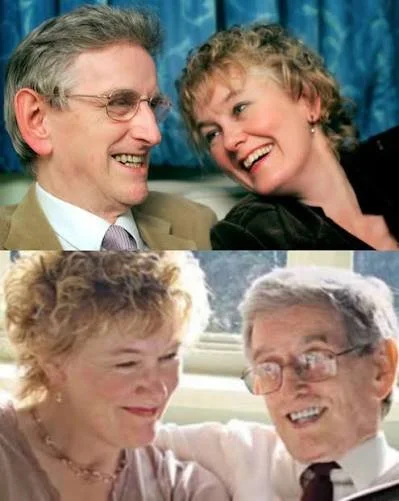
Clive Wearing, the man who fell in love with his wife, Deborah - over, and over, and over again.
60 Minutes episode about Clive and Deborah Wearing
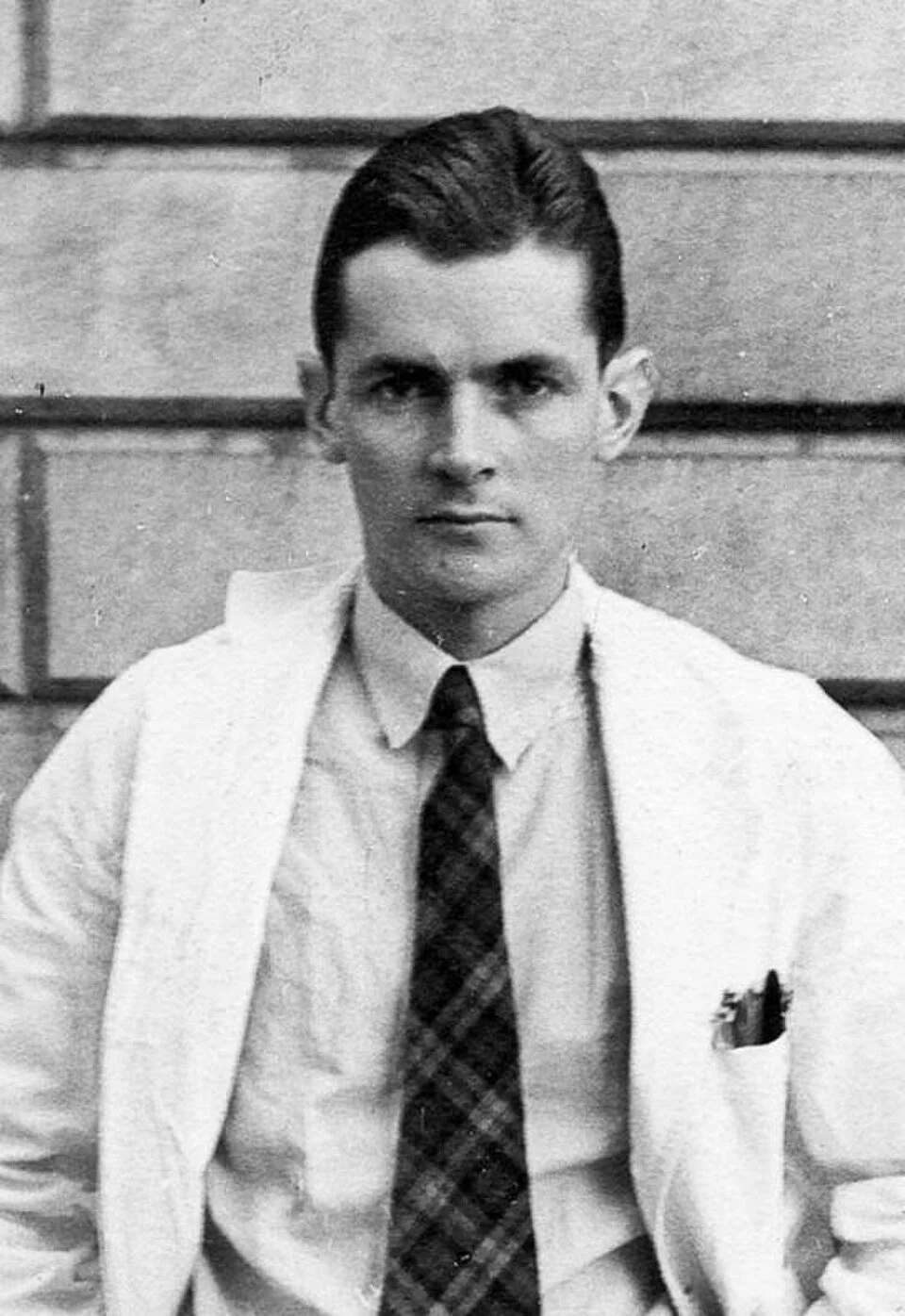
Strapping gent, William Beecher Scoville, the neurosurgeon who lobotomized his own wife.
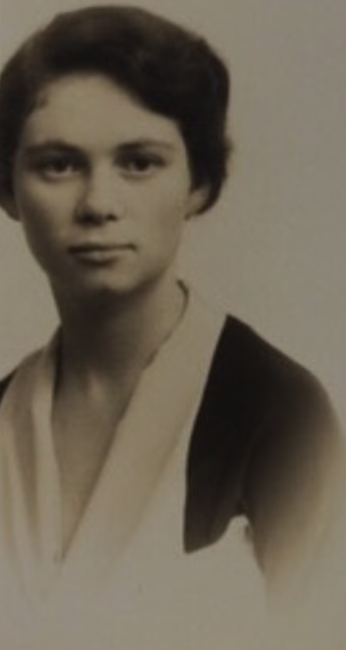
Emily Barrett Learned was a high-spirited woman when she married Scoville in June 1934.
By 1944, while Scoville served in the Army medical corps, Emily discovered he was having an affair.
She became deeply distraught, experienced hallucinations, and attempted suicide.
She was institutionalized at the Institute of Living in Hartford, Connecticut, where she received various treatments like electroconvulsive therapy (ECT).
Scoville performed a lobotomy on Emily himself.
Following her release, Emily was notably withdrawn and lacked personal initiative.
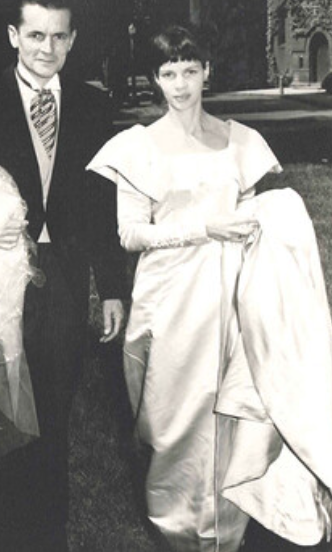
Scoville and Learned in happier times, aka, prior to his removing part of her frontal lobe.
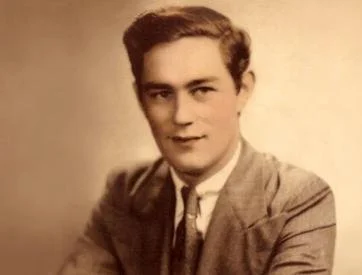
Henry Molaison aka patient, H.M. - Scoville lobotomized him on the “hunch” that it would help cure his epilepsy.
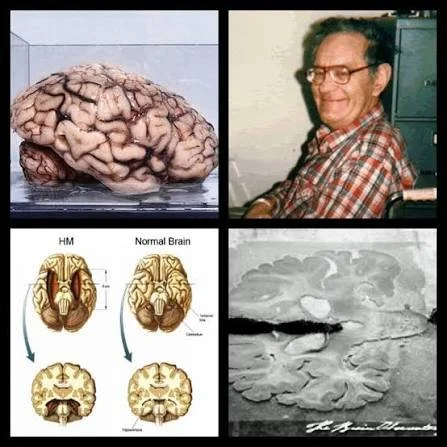
While Molaison’s epilepsy did improve, he also lost his ability to form new episodic memories.
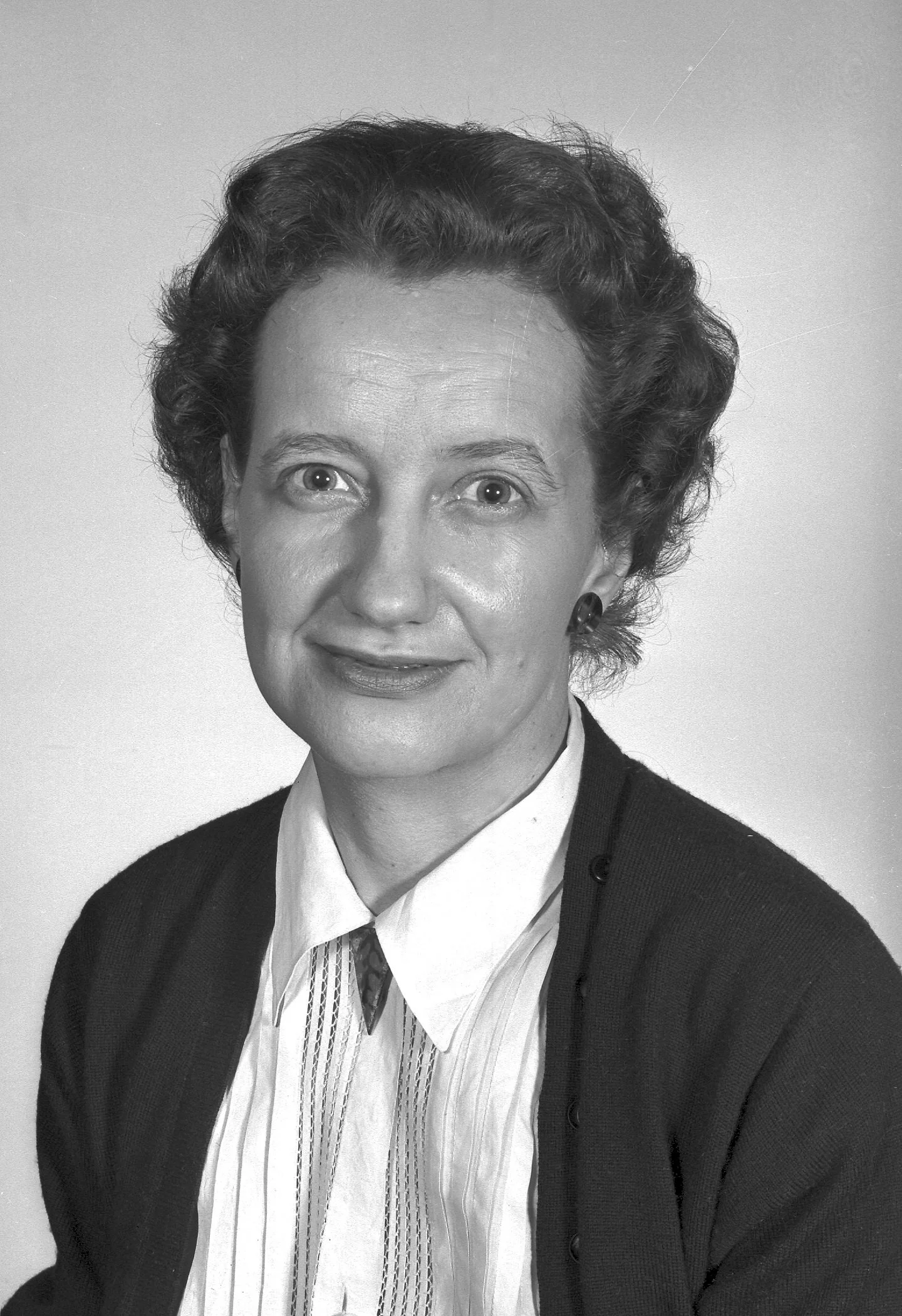
However, through his work with neuropsychologist Brenda Milner, researchers discovered that H.M. was still capable of learning procedural tasks.
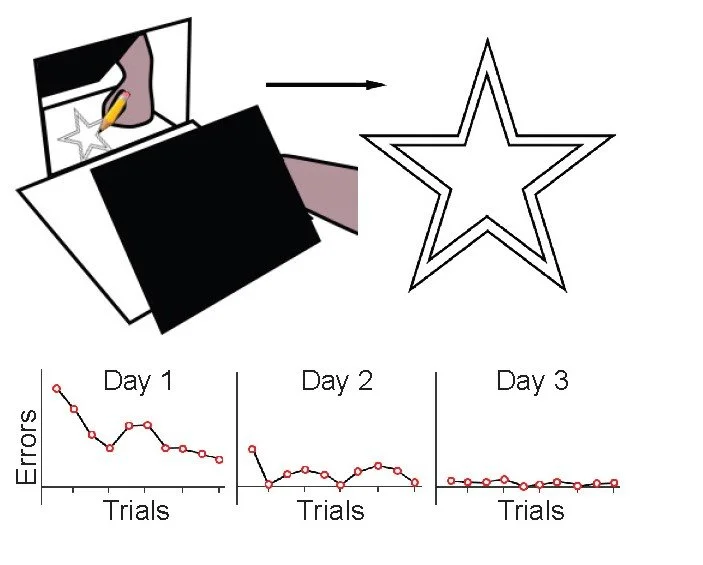
The mirror star drawing task was pivotal in this dicovery.

Equally as remarkable is the fact that Milner is still alive and kicking at 108 YEARS OLD.

Milner’s secret.
EP. 16
Amnesia
In this episode of Strange Mind, we dive into: William Scoville's infamous brain surgeries on both his wife, and H.M. (Henry Molaison); the devastating memory loss of Clive Wearing; and the different types of memory that make up who we are. We break down anterograde and retrograde amnesia, episodic, semantic, procedural, explicit and implicit memory, and explain how you can lose one kind of memory while another remains completely intact.
Click HERE for the full episode

AI Psychosis
AI psychosis is an emerging phenomenon involving delusions and intensive chatbot interactions. We explore AI delusions, ChatGPT, emotional attachment, and reality distortion.

As predicted (pun intended), ChatGPT has a roundabout response about whether a hot dog is a sandwich, (and also has jokes).
Alexander Taylor, young man killed by the police after trying to avenge Juliet, his chatbot “girlfriend.”
READ MORE: Research article about AI Psychosis, Delusional Experiences Emerging From AI Chatbot Interactions or “AI Psychosis”
Complaint filed by Sewell’s mother.

Viking Cat Lady’s elementary school crush.
READ MORE: Article about the physician who came to believe she was communicating with her dead brother through ChatGPT.
Footage of reincarnated cat fetching.
EP. 15
AI Psychosis
AI psychosis sounds like science fiction, but increasingly, clinicians and researchers are examining what happens when intense chatbot interactions become tangled up with delusions, paranoia, and distorted beliefs. In this episode, we explore how AI can reinforce a person’s reality rather than challenge it, and what happens when the chatbot becomes part of the delusion itself.
Click HERE to listen to the episode
Body Dysmorphic Disorder (BDD)
Body dysmorphic disorder is more than being insecure about your appearance. This episode explores how BDD differs from ordinary insecurity, why muscle dysmorphia can affect people who appear extremely muscular, and what happens when the pursuit of the “perfect” body becomes dangerous—including DIY cosmetic procedures.
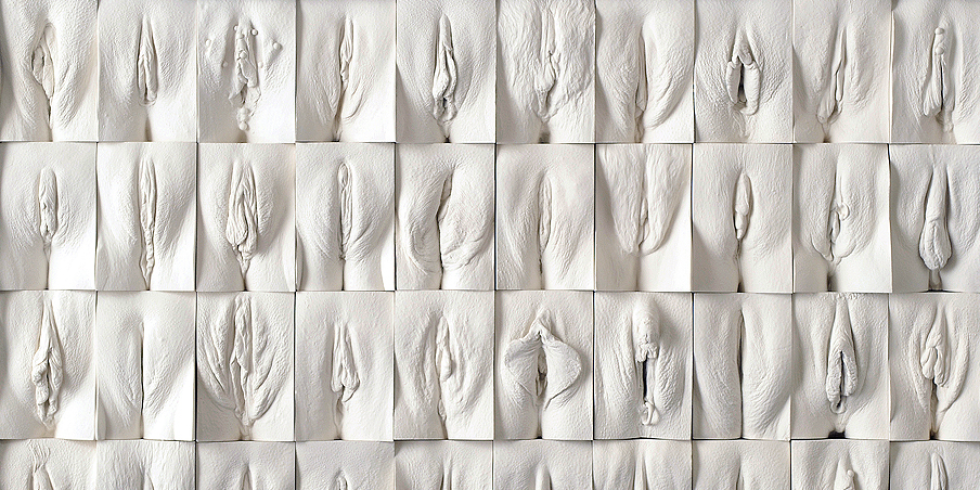
The Great Wall of Vulva (originally titled The Great Wall of Vagina) is an 8-meter (26-foot) long monumental sculpture created by British artist Jamie McCartney. Completed in 2011 after five years of work, the piece features plaster casts from 400 female volunteers aged 18 to 76.
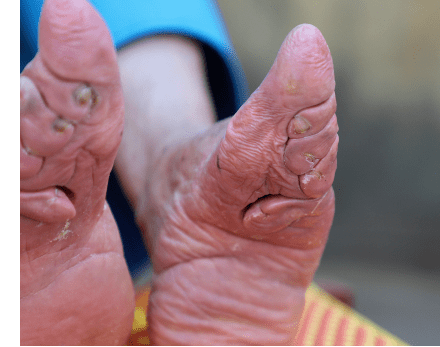
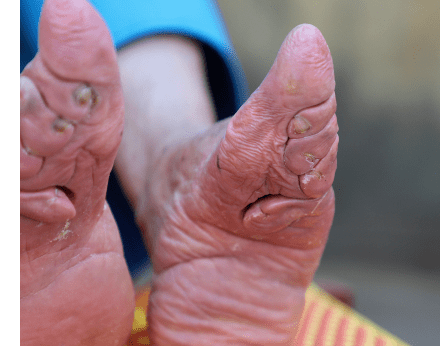
A Chinese woman whose feet were bound in pursuit of the beauty ideal of her time (Egads, and I thought Louboutins are torture.)
Short but fascinating BBC News piece about Bigorexia.
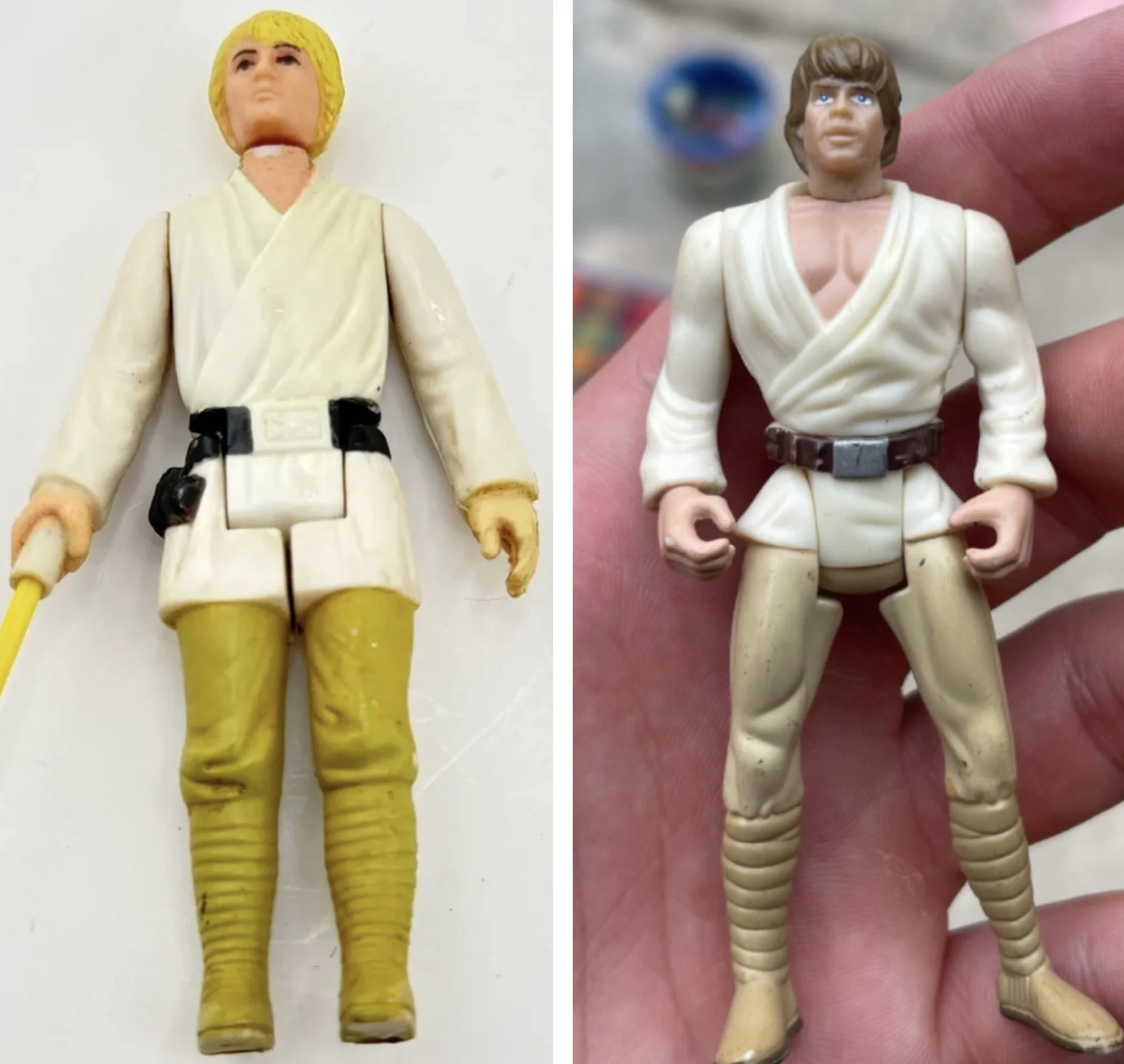
The evolution of action figures from relatively realistic proportions to increasingly hypermuscular physiques has reinforced unattainable body ideals in boys, normalizing the idea that bigger, stronger, and more muscular is what a male body is supposed to look like.

We could’ve stayed right here as far as I’m concerned.

But instead, this has become the new ideal for many.
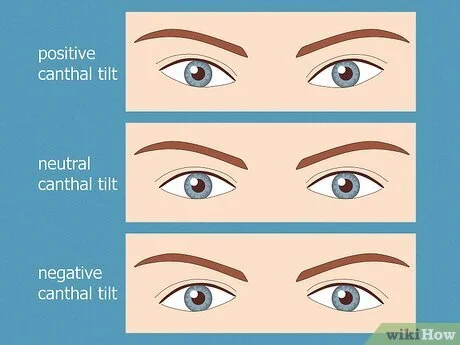
Do you have hunter eyes or prey eyes?

Shoot me into the sun, please.

A TikTokker, demonstrating the proper way to mew.
EPS. 13 & 14
Body Dysmorphic Disorder, Muscle Dysmorphia & DIY Surgery
Body dysmorphic disorder is more than being insecure about your appearance. This episode explores how BDD differs from ordinary insecurity, why muscle dysmorphia can affect people who appear extremely muscular, and what happens when the pursuit of the “perfect” body becomes dangerous, including DIY cosmetic procedures.
Listen to the full episode:
Dissociative Identity Disorder
Dissociative Identity Disorder (DID), formerly known as Multiple Personality Disorder, is one of the most misunderstood mental disorders. Learn what the science really says about trauma, memory, identity, and the myths surrounding DID.
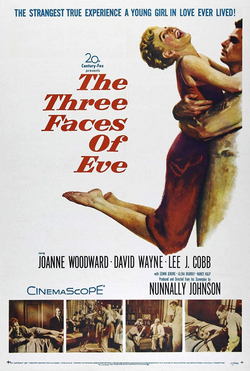
Movie poster for the Three Faces of Eve, portraying DID as a jolly romp.

Rather than license a photo of Chris Costner Sizemore, here is the beautiful GA native, Joanne Woodward, who plays her in the aforementioned film. Big ups Marietta and Geaux Tigahs!
Interesting documentary about a therapist with DID who treats others struggling with the disorder, Busy Inside.
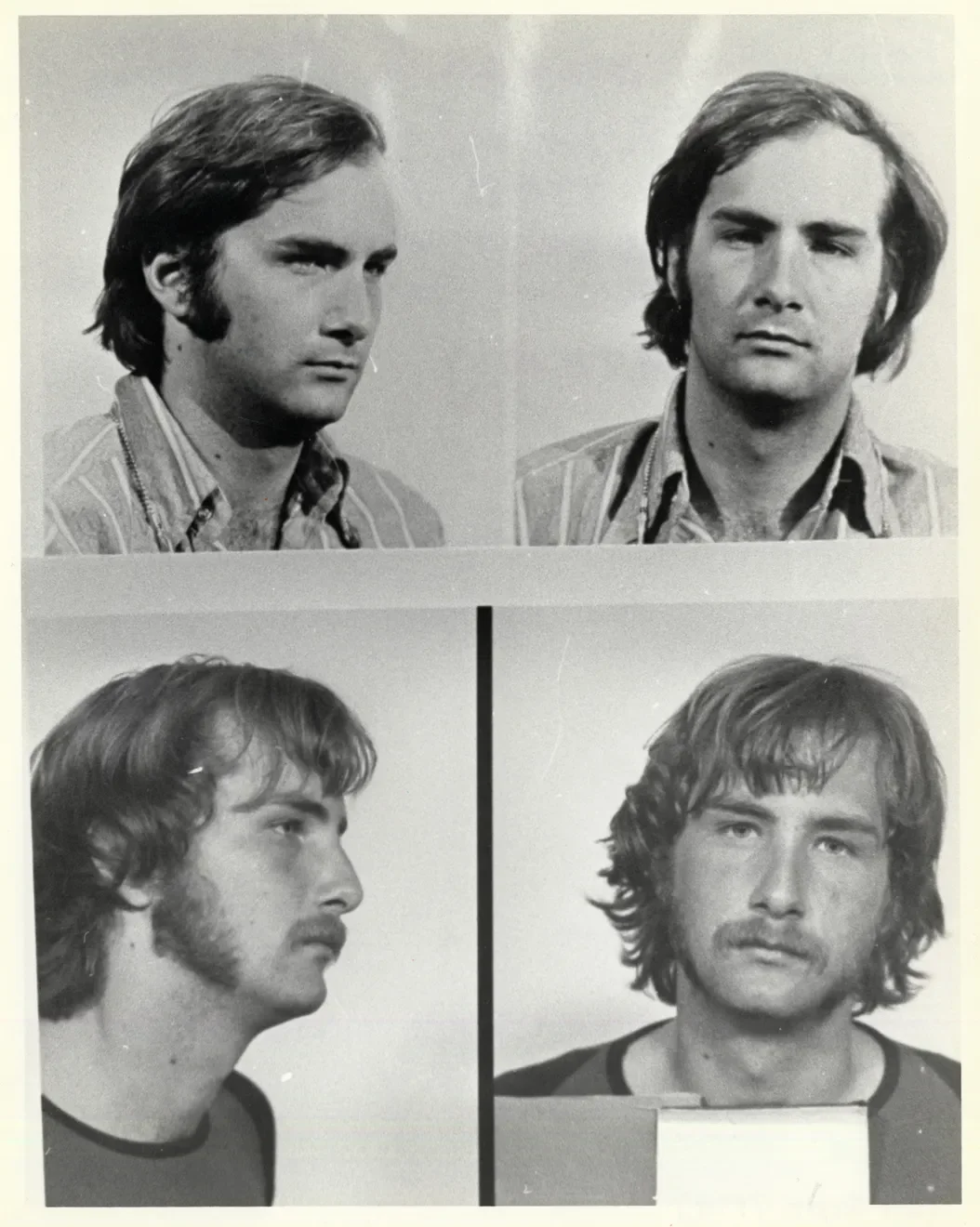
Two of Billy Milligan’s 24 faces.
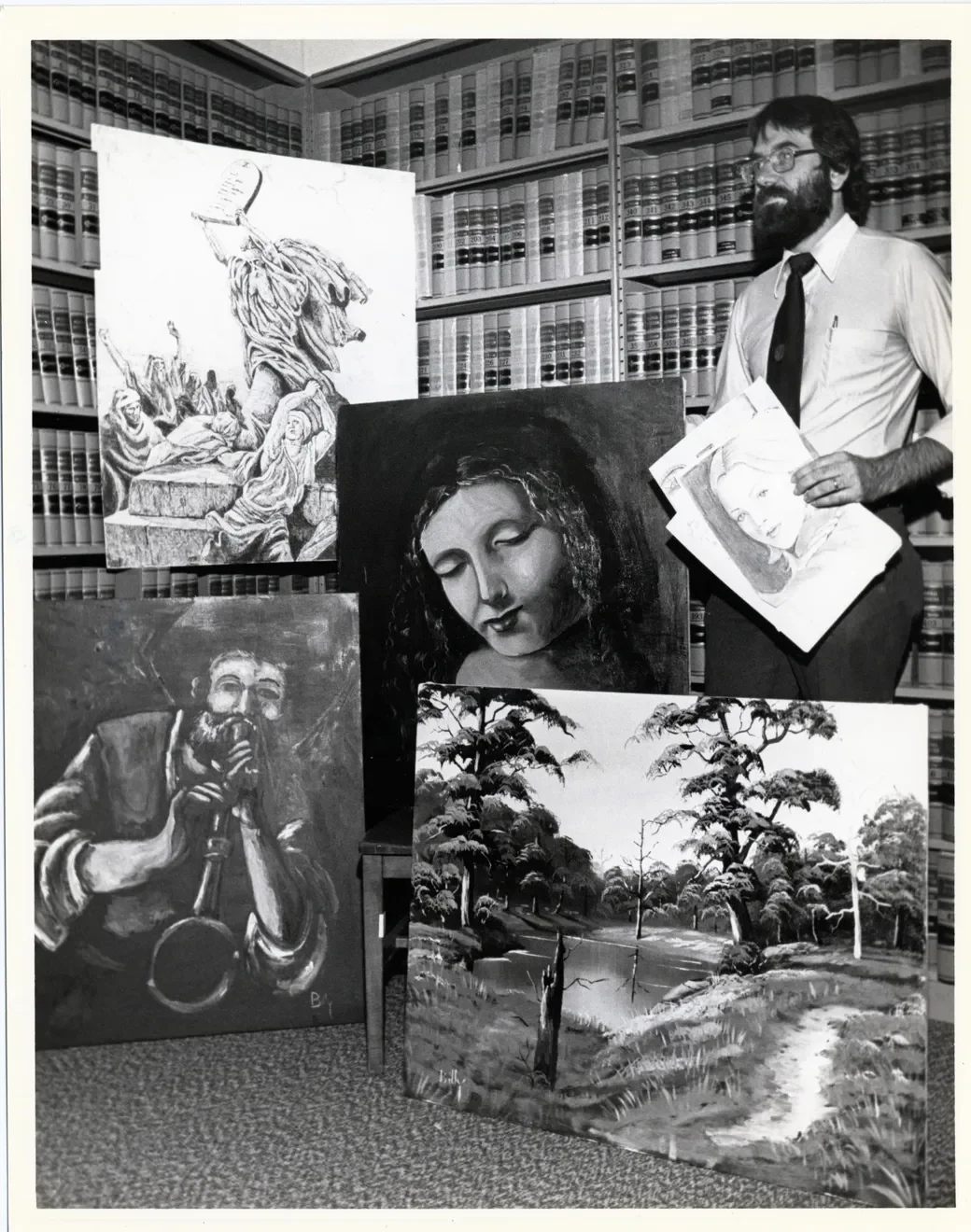
Some of Milligan’s artwork, created by a few of his alters. While hospitalized, Milligan painted and sold his artwork for thousands of dollars. Unlike typical patients who were restricted on funds, he was allowed to keep all the money he earned, which eventually enabled him to buy a car. The sale of his paintings sparked intense public backlash and legislative scrutiny regarding whether he was improperly profiting from his crimes - kidnapping, rape, and robbery.
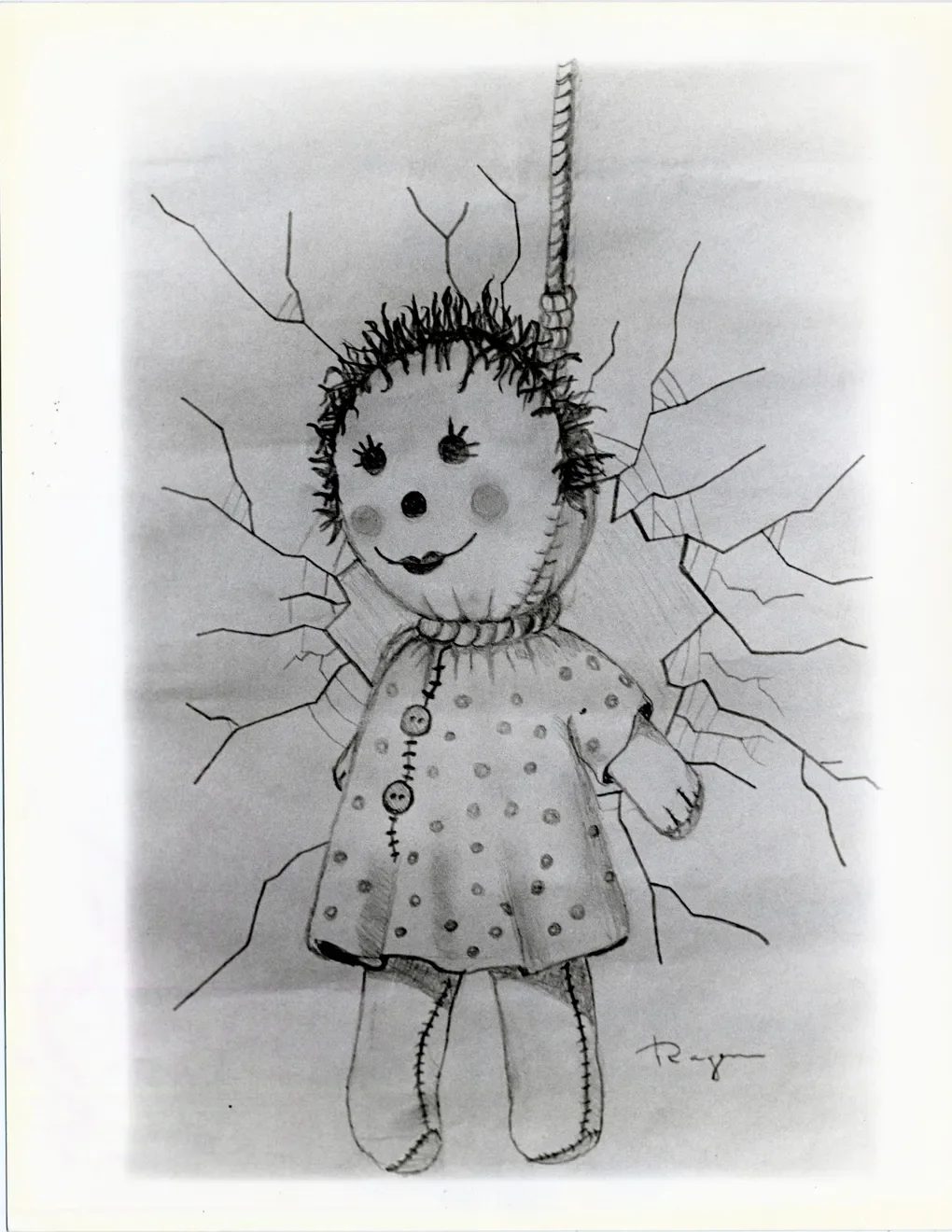
A creepy drawing done by Ragen Vadascovinich, Milligan’s Yugoslavian alter - also known as the "keeper of hate." Eek.
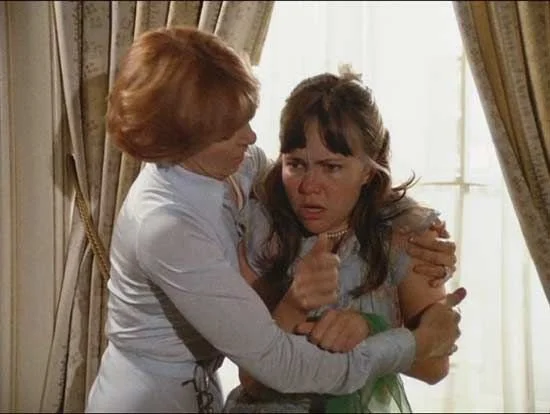
Sally Field, undoubtedly overacting as Sybil - alongside aforementioned GA native, Joanne Woodward.
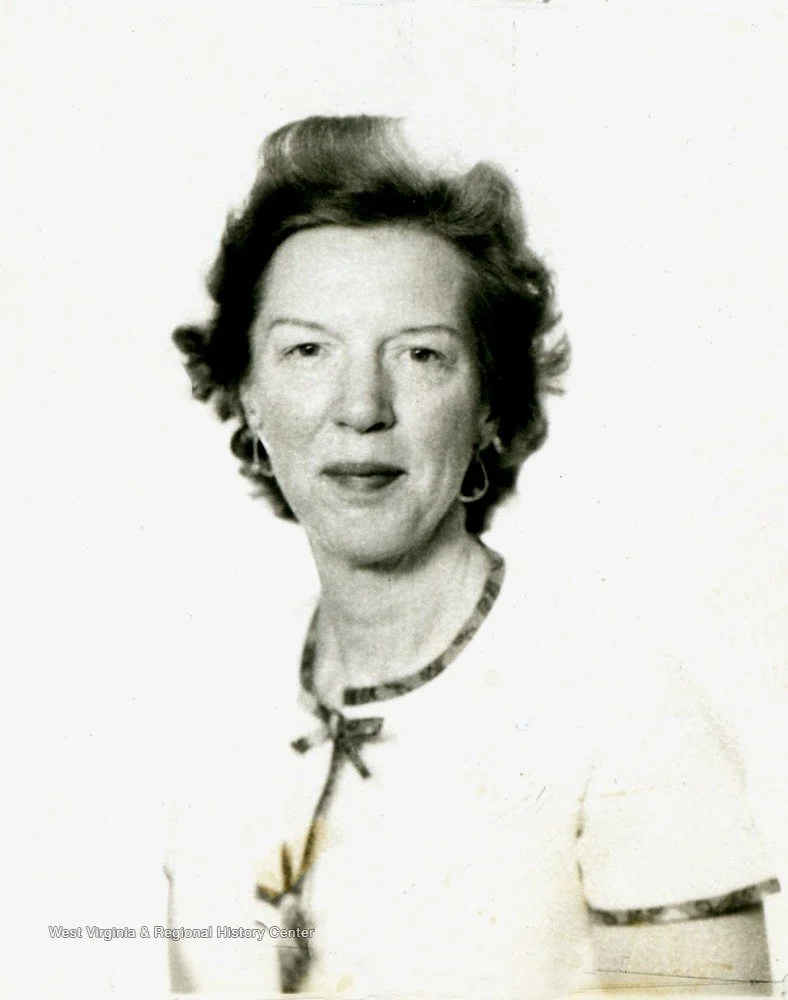
Dr. Cornelia B. Wilbur, Sybil’s therapist and identity fusion magician.
EPS. 11 & 12
Dissociative Identity Disorder - Parts 1 and 2
This week and next, we're diving into Dissociative Identity Disorder—the psychology behind "multiple personalities," why the name changed, the truth behind famous cases like Sybil and Billy Milligan, and what modern science actually says about one of the most misunderstood disorders in psychiatry. As always, it's strange, fascinating... and unsettling.
Listen to the full episode:
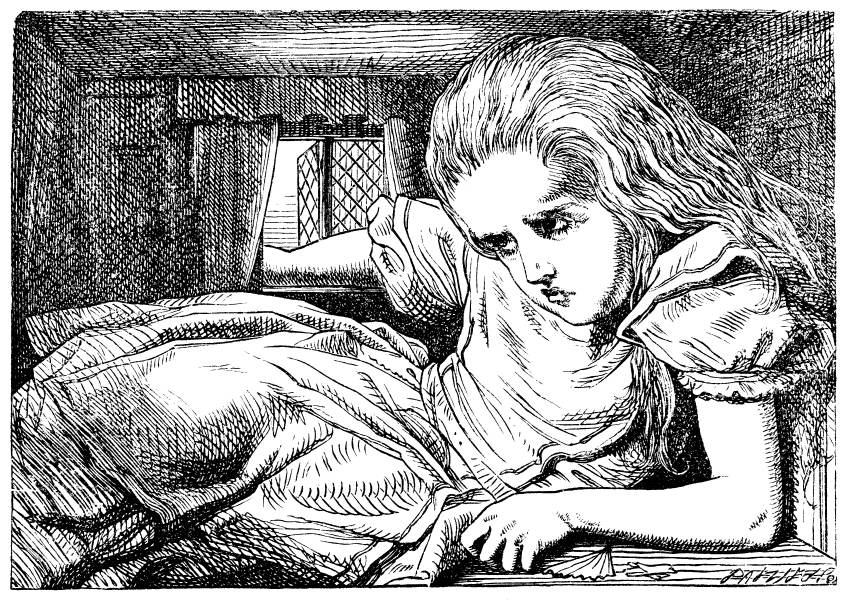
Alice in Wonderland Syndrome
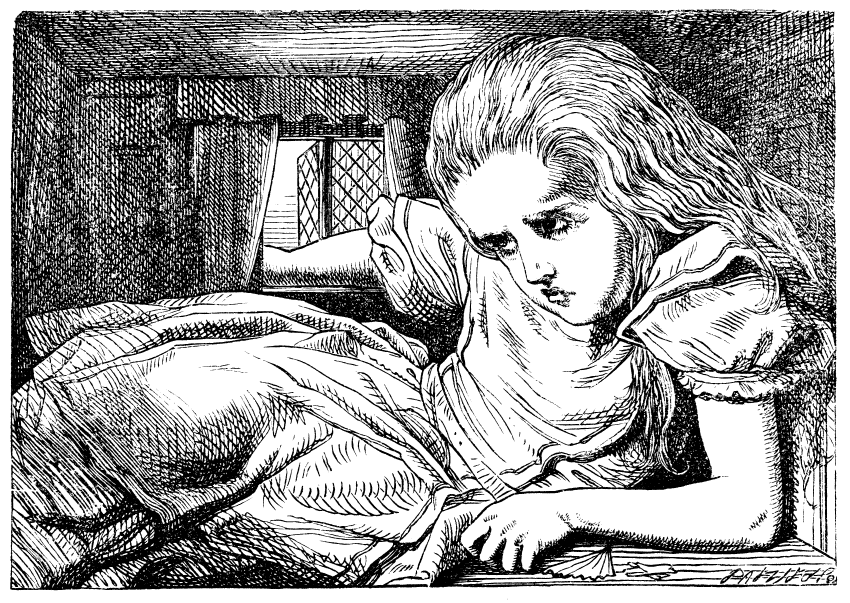
One moment you're walking through your house. The next, the hallway stretches impossibly long. Your hands look twice their normal size. Your dog suddenly appears tiny, like a toy. You know none of it is real—but your brain insists that it is.
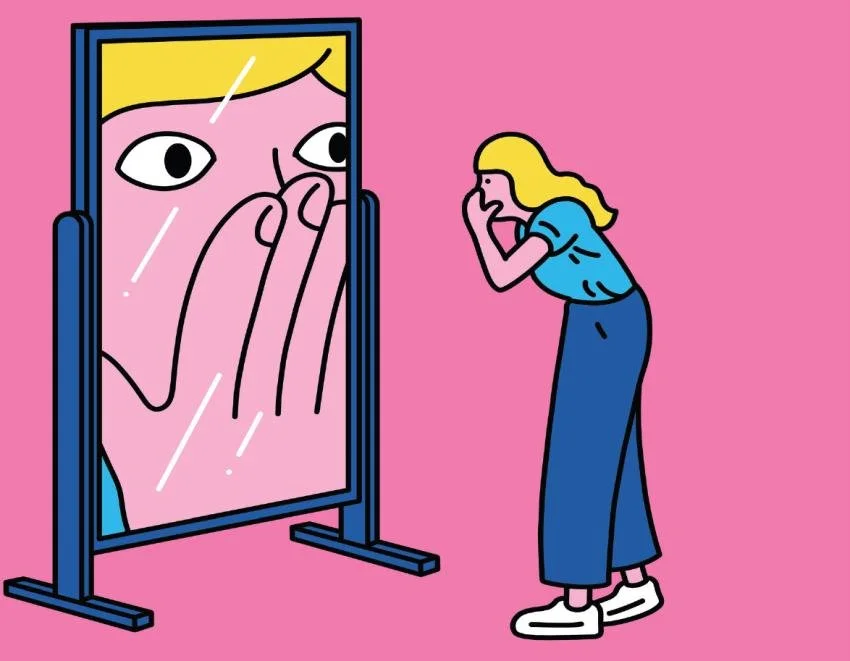
Illustration by Sam Island
Hallucination: Seeing, hearing, or sensing something that isn't really there.
Illusion: Seeing something that's there, but getting it wrong.
Distortion: Seeing something that's there, but it looks different than it actually is - Alice in Wonderland Syndrome.
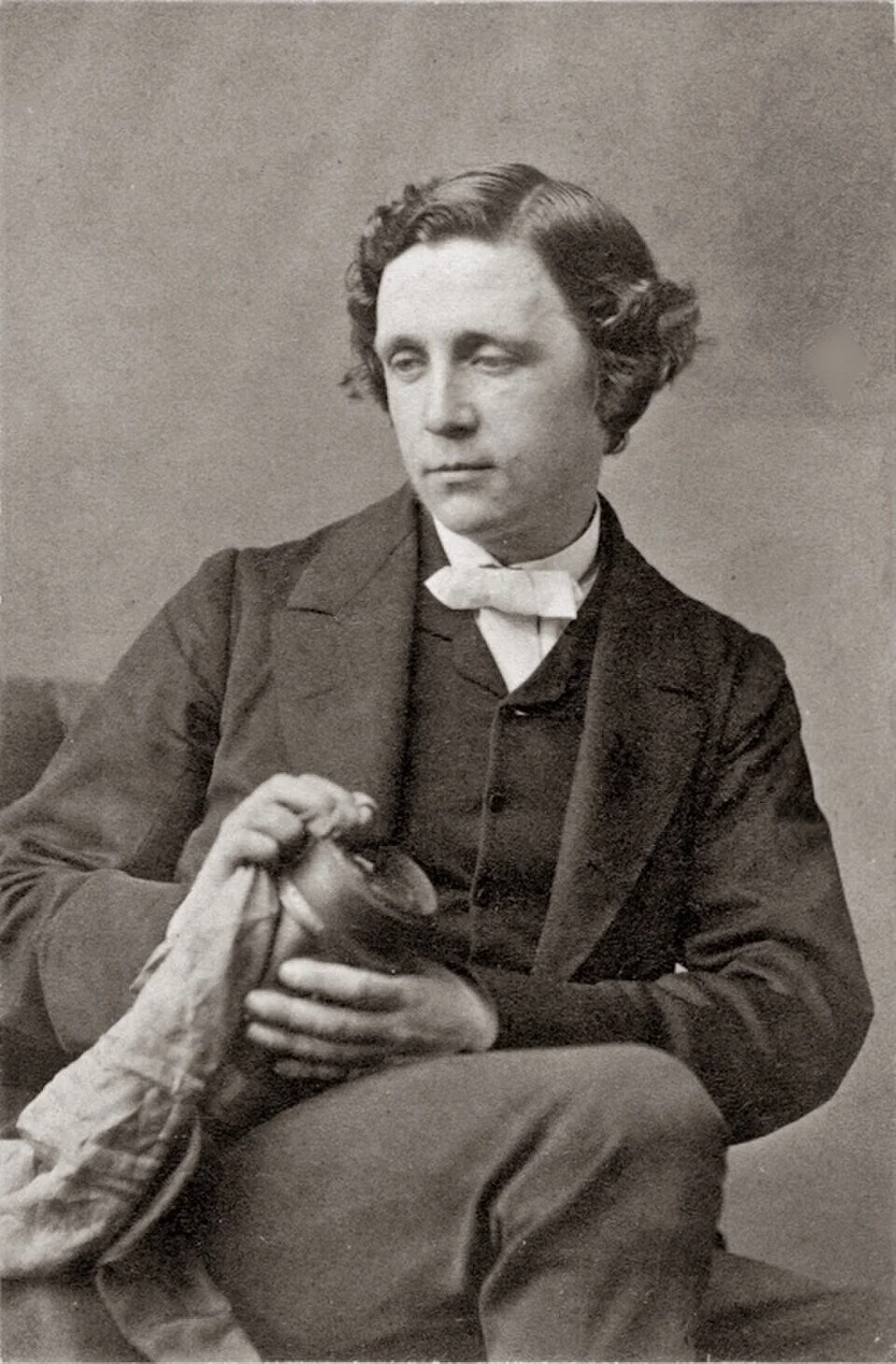
Lewis Carroll aka Charles Ludwidge Dodgson.
He created the name Lewis Carroll by translating his real name, into Latin, then translating it back into English in reverse order.
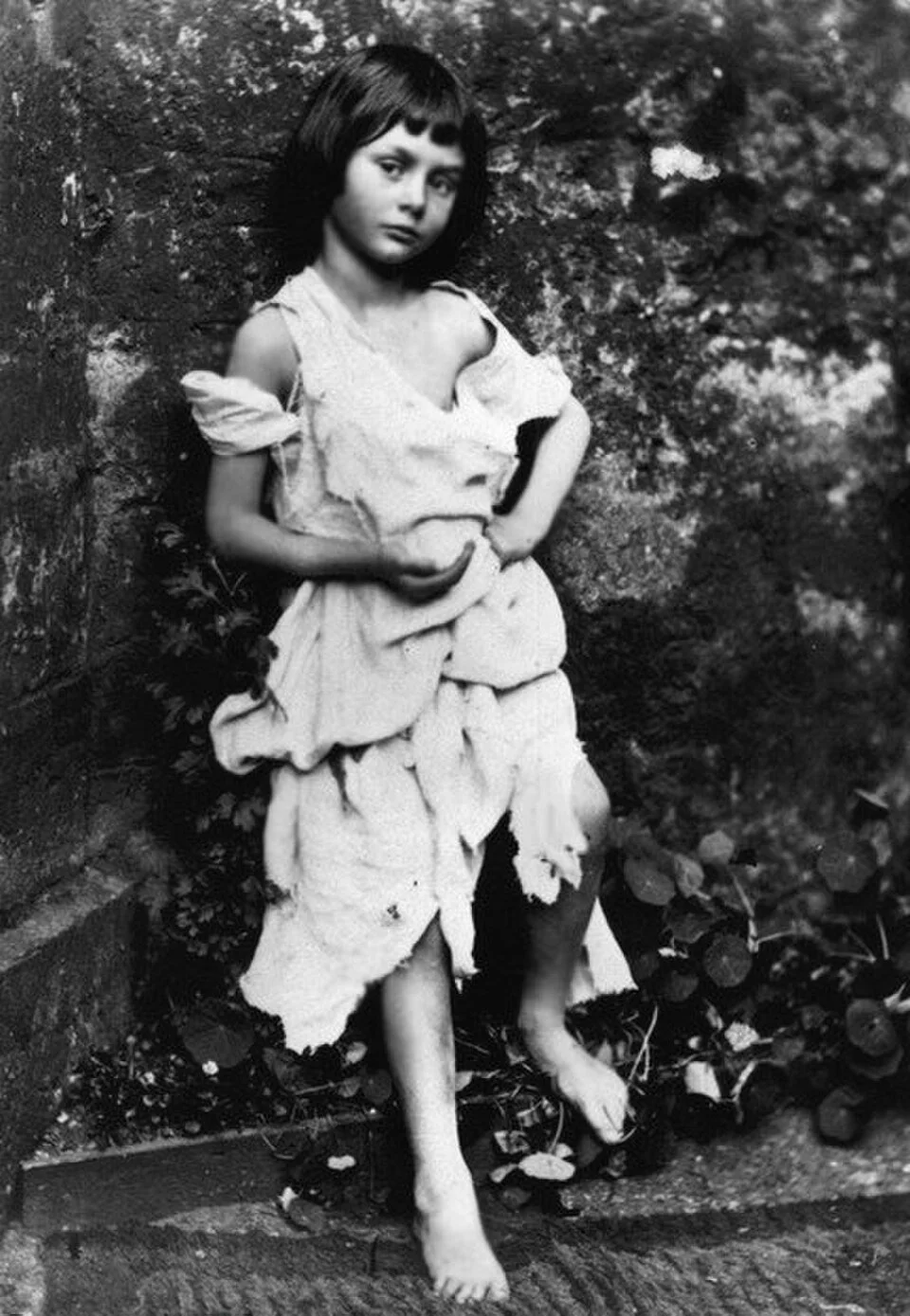
Photograph by Dodgson of his muse, Alice Liddell, age 10.
Click here for more about “Lewis Carroll’s Shifting Reputation.”
CLICK HERE TO LISTEN
EP. 10
Alice in Wonderland Syndrome
Alice in Wonderland Syndrome is a rare neurological condition that can make people perceive their body, other people, objects, distance, or even time in bizarre and unsettling ways. In this episode of Strange Mind, we explore the fascinating neuroscience behind AIWS, examine real-life cases, and discuss why the brain can sometimes create experiences that feel like an absurdist fairytale.
Listen to the full episode:

Factitious Disorder (Formerly Munchausen Syndrome)
Why would someone fake an illness, undergo painful medical procedures, or even make another person sick for attention? Explore the psychology of factitious disorder, formerly known as Munchausen syndrome, and the real-life cases that make it one of psychiatry's most baffling disorders.
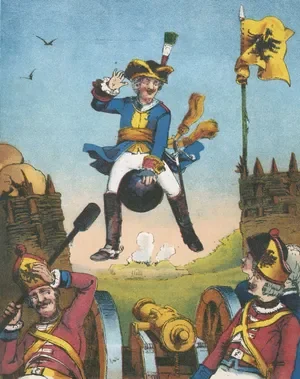
Baron Munchausen, taking a ride on a cannonball.

Feel free to use this image if you’re late to work.
If you’d like more information about factitious disorder, here’s a talk with Marc Feldman, MD & Janet Cahill, PhD

Actual photo used by Debbie Swenson as Kaycee Nicole
EP. 09
Factitious Disorder (Formerly Munchausen Syndrome)
In this episode of Strange Mind, we explore factitious disorder (formerly known as Munchausen syndrome), a complex psychiatric condition where individuals fabricate, exaggerate, or even induce symptoms in order to assume the role of a patient. We dive into the history of the syndrome, examine disturbing real-world cases of medical deception, and explore the psychology behind a disorder that challenges our understanding of identity, attention, and the need to be cared for.
CLICK HERE TO LISTEN TO THE FULL EPISODE
Clinical Zoanthropy | When People Believe They Are Animals
In this episode of Strange Mind, we explore clinical zoanthropy, a rare psychiatric syndrome in which individuals believe they have become, or are in the process of becoming, an animal. From people convinced they are wolves, poultry, cats, or even gerbils, these extraordinary cases challenge our understanding of identity, perception, and reality itself. We examine the neuroscience, psychology, and documented case studies behind one of the rarest and most fascinating delusions ever recorded.
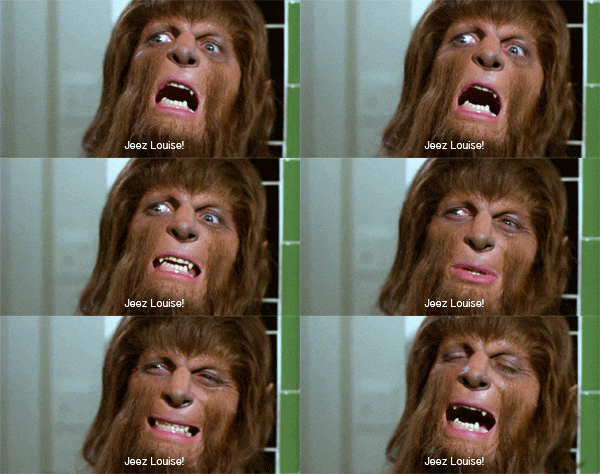
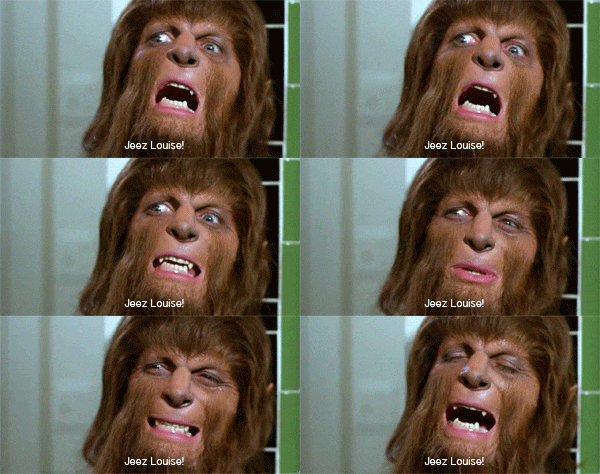
Jeez Louise, clinical lycanthropy is a real psychiatric condition
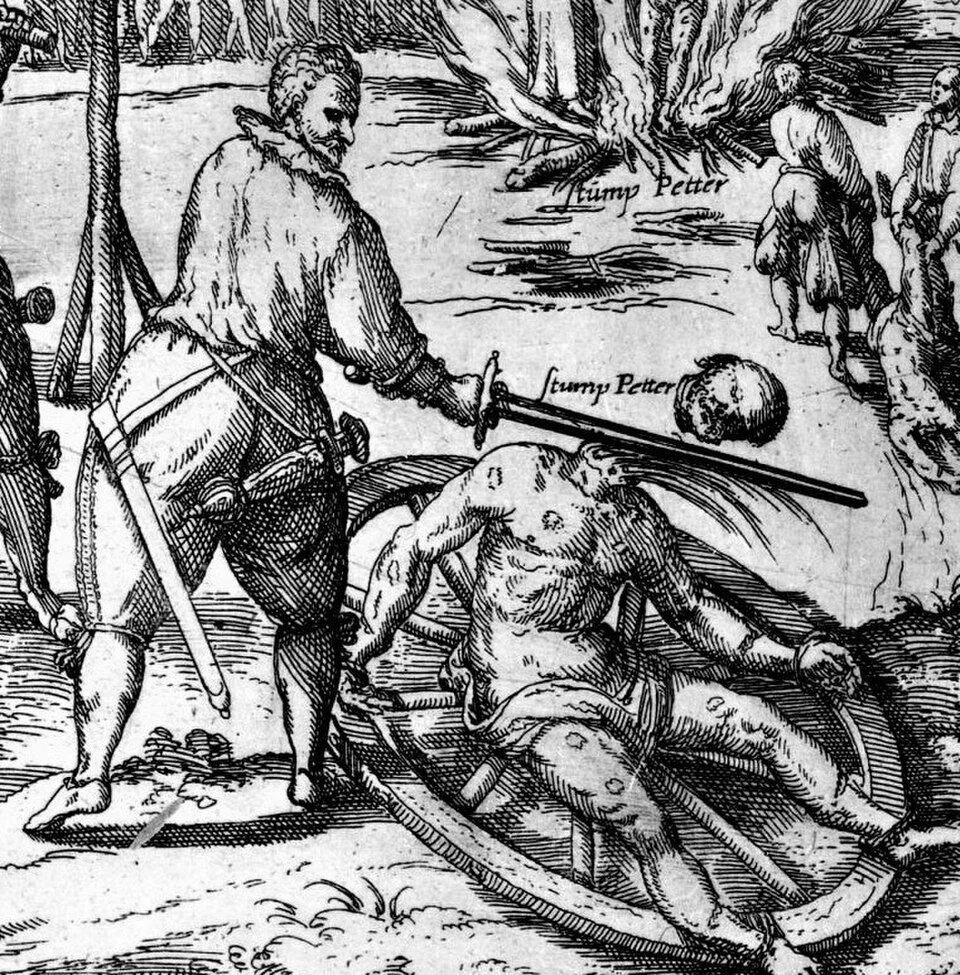
Photo of Peter Stump, Vampire of Bedbug’s execution
Here’s an article from the Guardian about the woman who believed she’d become a chicken.
Excerpt: “Patients have reported believing they are a dog, lion, tiger, hyena, shark, crocodile, frog, bovine, cat, goose, rhinoceros, rabbit, horse, snake, bird, wild boar, gerbil and a bee.”

Gerbils are actually pretty cute.
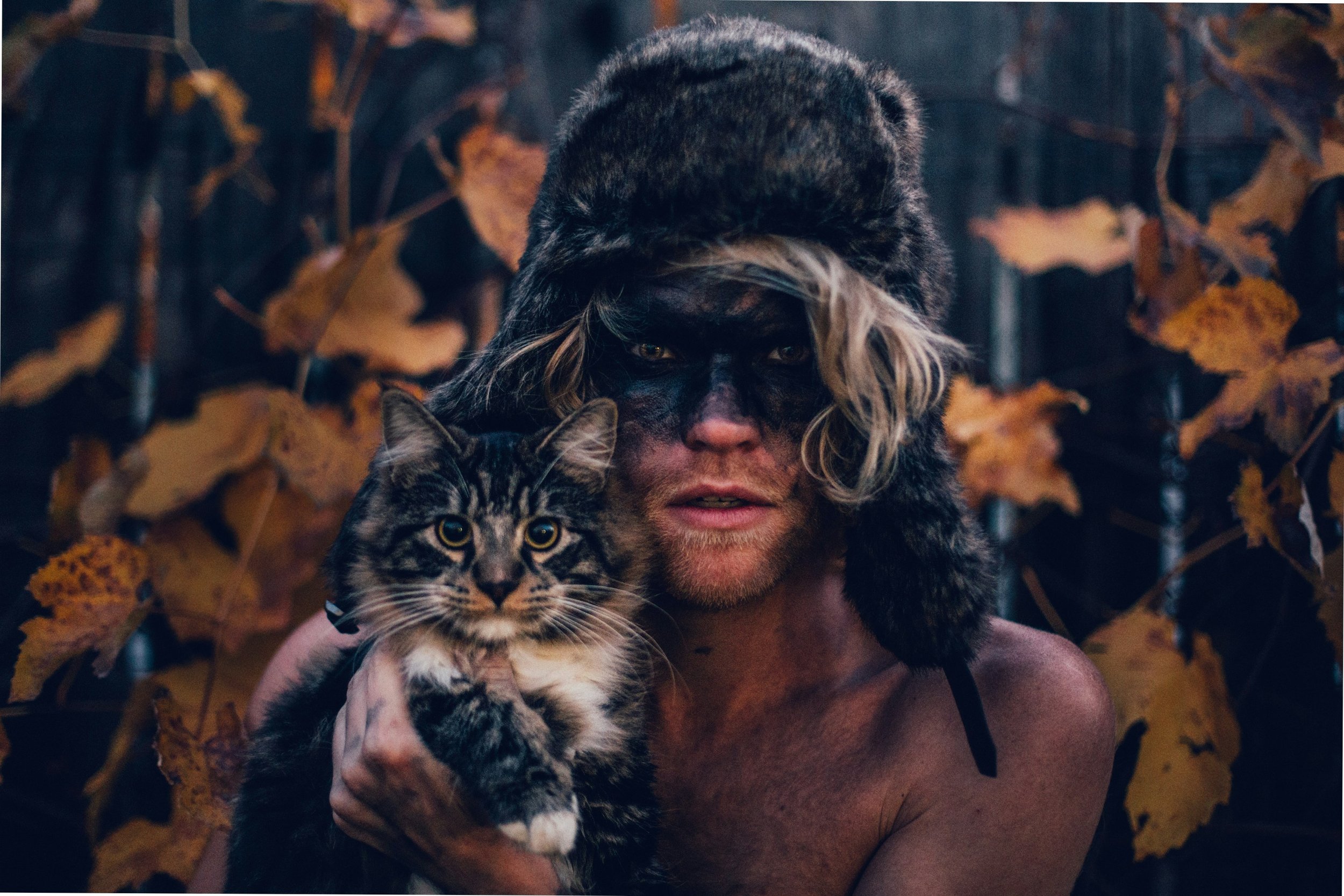
(Not) actual footage of the patient from the episode hunting with cats. Photo by: Lucas Sankey
Not sure if this dude meets full diagnostic criteria….
EP. 08
Clinical Zoanthropy | When People Believe They Are Animals
In this episode of Strange Mind, we explore clinical zoanthropy, a rare psychiatric syndrome in which individuals believe they have become, or are in the process of becoming, an animal. From people convinced they are wolves, poultry, cats, or even gerbils, these extraordinary cases challenge our understanding of identity, perception, and reality itself. We examine the neuroscience, psychology, and documented case studies behind one of the rarest and most fascinating delusions ever recorded.
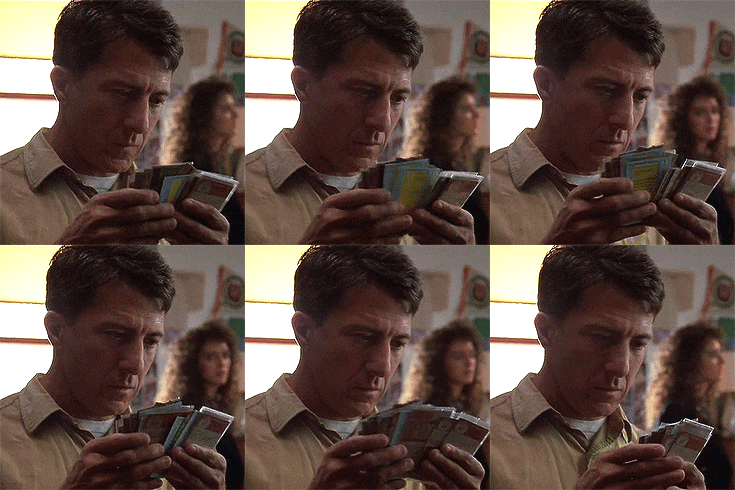
Rain Man and the Real Savants
In this episode of Strange Mind, we explore the fascinating world of savant syndrome, a rare condition in which individuals display extraordinary abilities that stand in stark contrast to their overall functioning. From remarkable feats of memory and mathematical calculation to incredible artistic and musical talents, savants have captivated scientists and the public for decades. We examine the neuroscience behind these exceptional abilities, the differences between congenital and acquired savant syndrome, famous real-life cases that inspired films like Rain Man, and what these extraordinary minds reveal about the hidden potential of the human brain.

The movie that put counting toothpicks on the map.
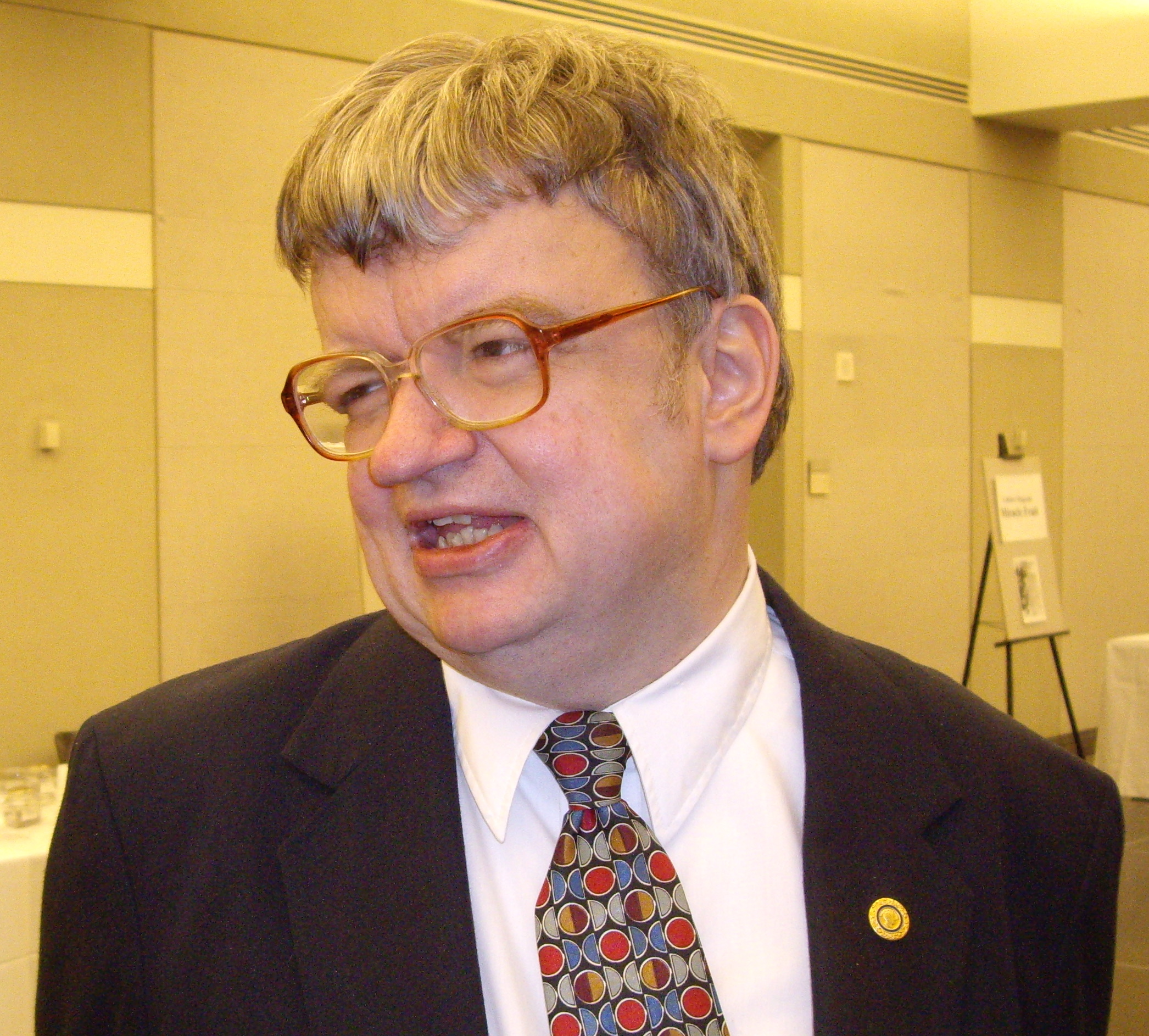
Kim Peek, the man who inspired Rain Man.
For a video of him, click here
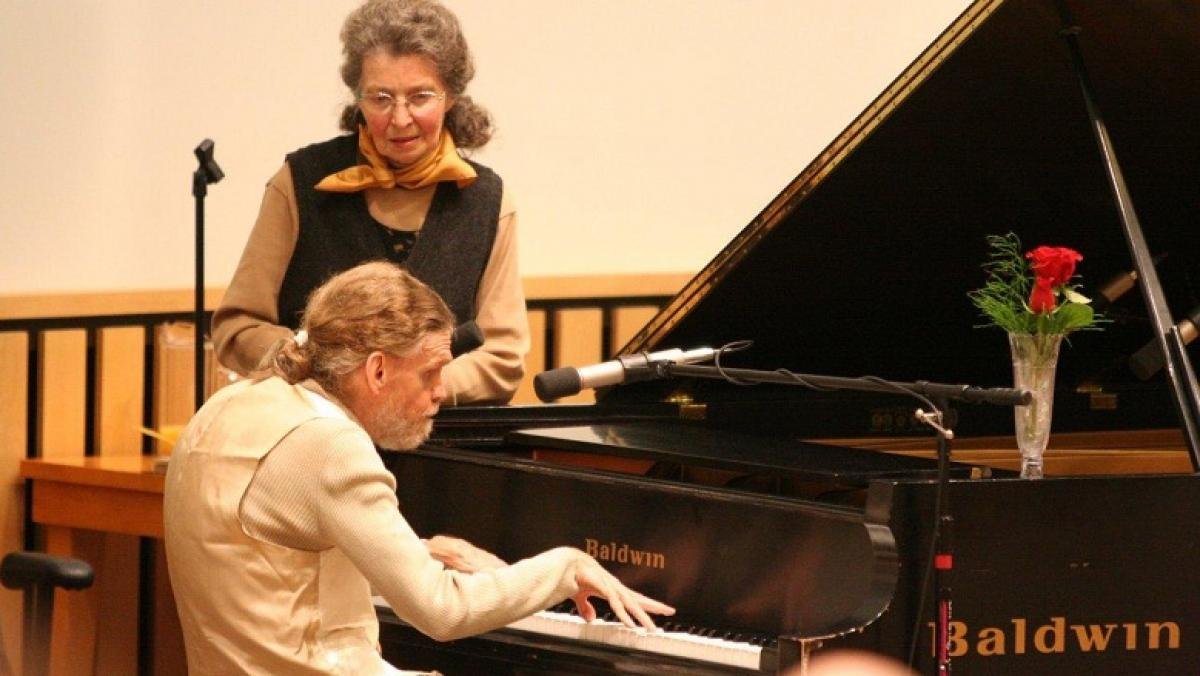
Leslie Lemke, real life savant, musical genius
For a video of him click here

Liz relates to this more than she would like to admit.

Actual footage of me trying to deduce why I walked into a room.
Meanwhile, Kim Peek memorized 12,000 books.
EP. 07
Rain Man and The Real Savants
Most of us spend our lives trying to learn new skills—but a rare few are born with extraordinary abilities that seem almost impossible. In this episode of Strange Minds, we explore the fascinating world of savant syndrome, from the real-life inspiration behind Rain Man to individuals with astonishing gifts in memory, mathematics, music, and art. How can someone struggle with everyday tasks yet perform feats that leave experts speechless? Join us as we examine one of the most mysterious and remarkable conditions in psychology.

Koro / Shrinking Penis Disease
When collective fear turns into a shared physical delusion.

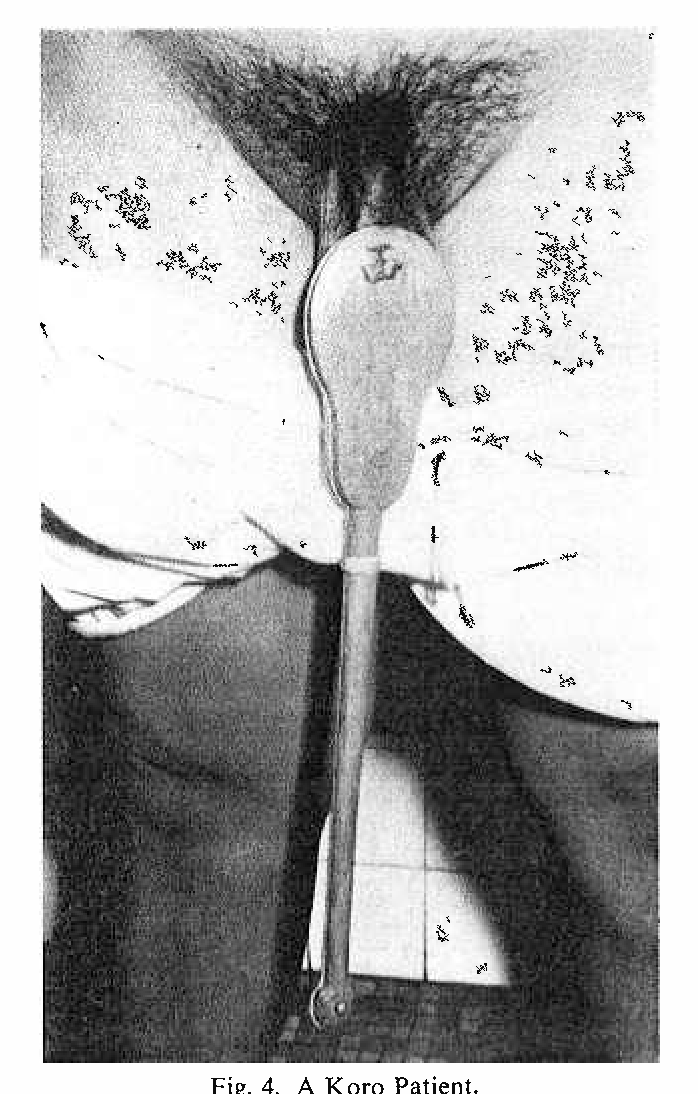
Penile retraction prevention device.
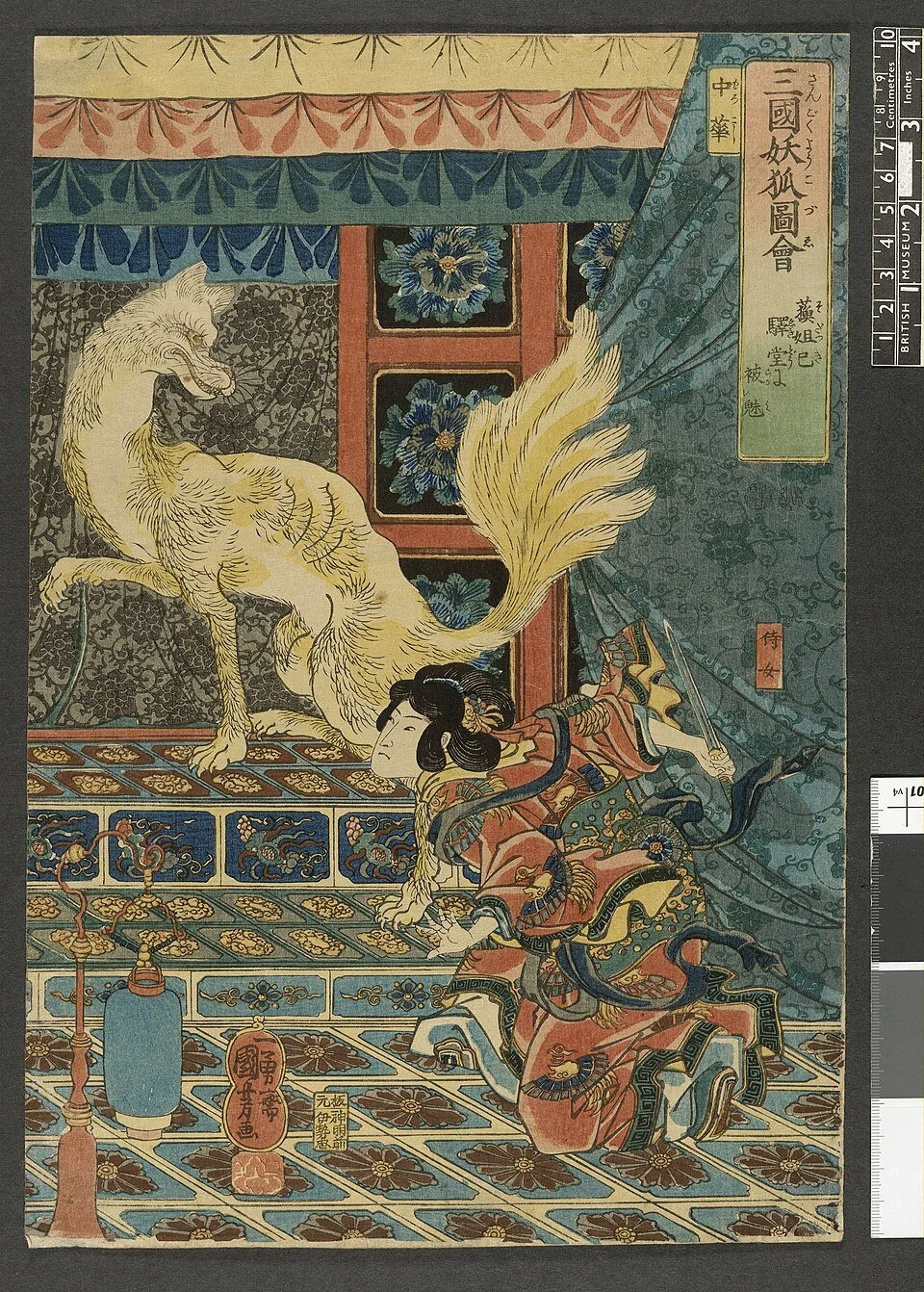
Fox spirit confronted for penis theft. Swiper, no swiping.
EP. 06
Koro / Shrinking Penis Disease
Explore Koro, a rare culture-bound syndrome involving an intense fear that the genitals are retracting into the body and may disappear. In this Strange Mind episode, we break down reported outbreaks, psychological and cultural factors, and how anxiety and body perception can spiral into extreme panic.

Obsessive-Compulsive Disorder - Part 1
When the mind gets stuck in loops of fear, order, and doubt.

EP. 05
Obsessive-Compulsive Disorder - Part 1
In this episode of Strange Mind, we explore three subtypes of Obsessive-Compulsive Disorder, including a woman consumed by compulsions around sweets, a disturbing case involving sexual intrusive thoughts and religiosity, and a “just right” presentation where everyday actions had to feel perfectly correct or they couldn’t continue. It’s a look at how OCD doesn’t always look like cleaning and checking — sometimes it shows up in unexpected, intense, and deeply disruptive ways.
Frontal Lobe Disorders
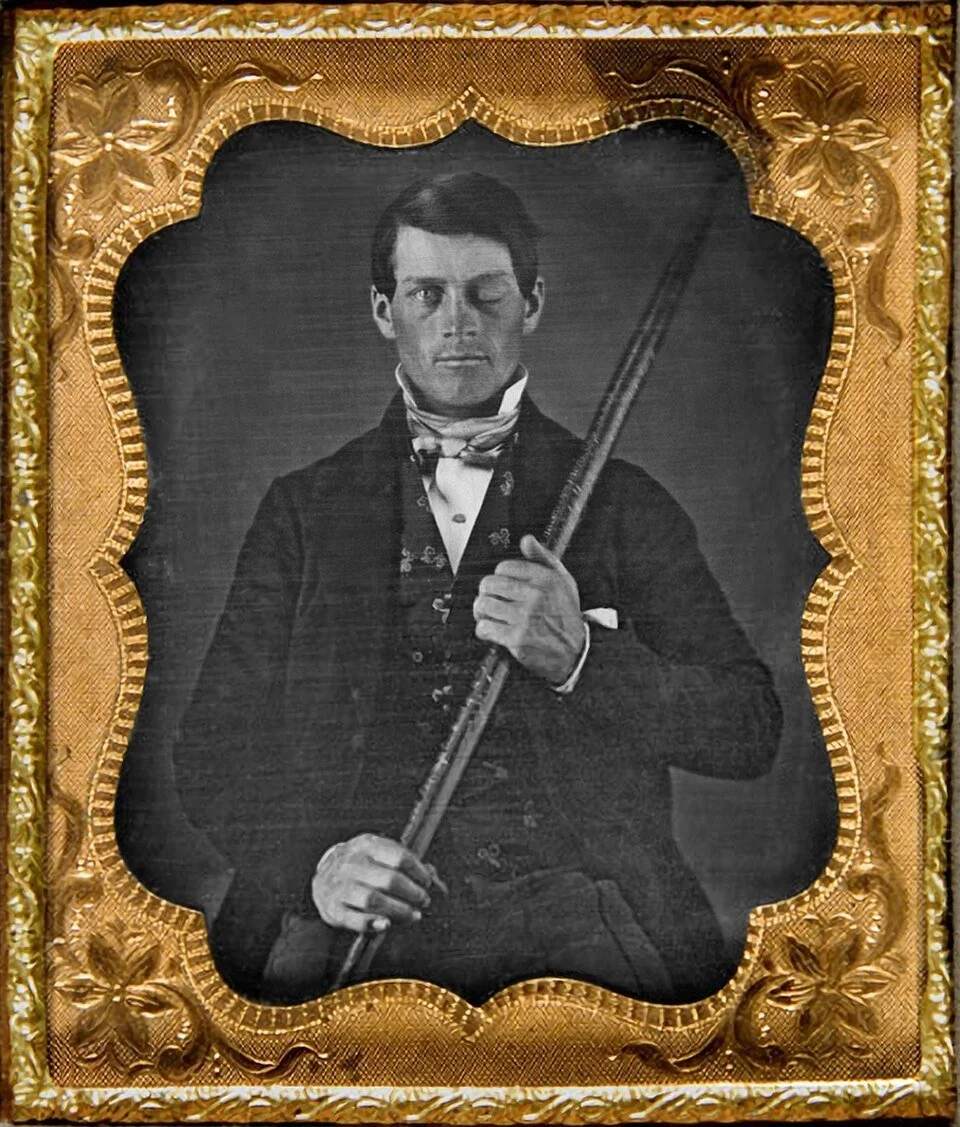
A look at how the frontal lobes shape personality, judgment, and behavior.

The Man, the Myth, the Legend - Phineas Gage himself
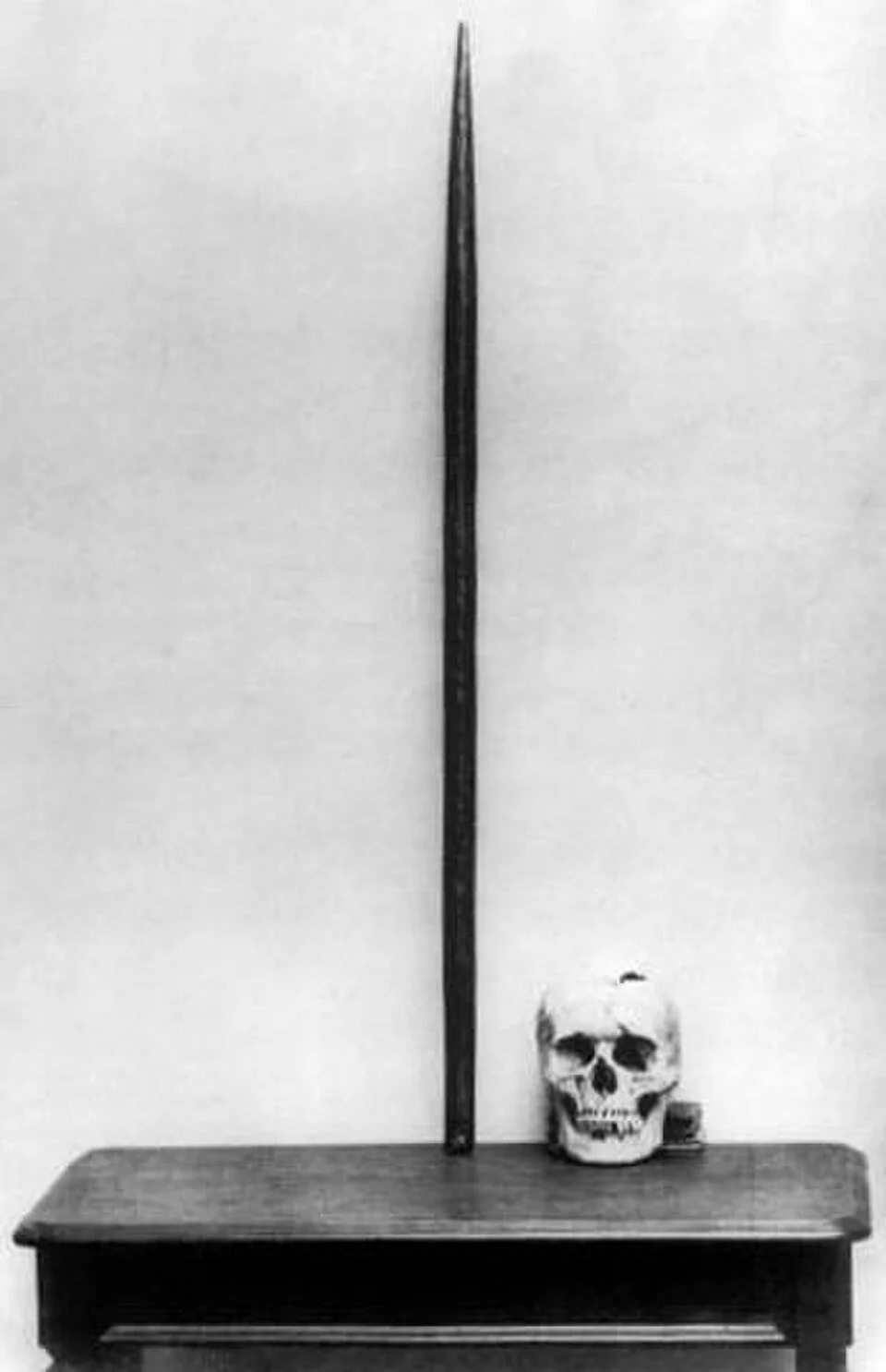
The tamping iron and his skull, for scale.
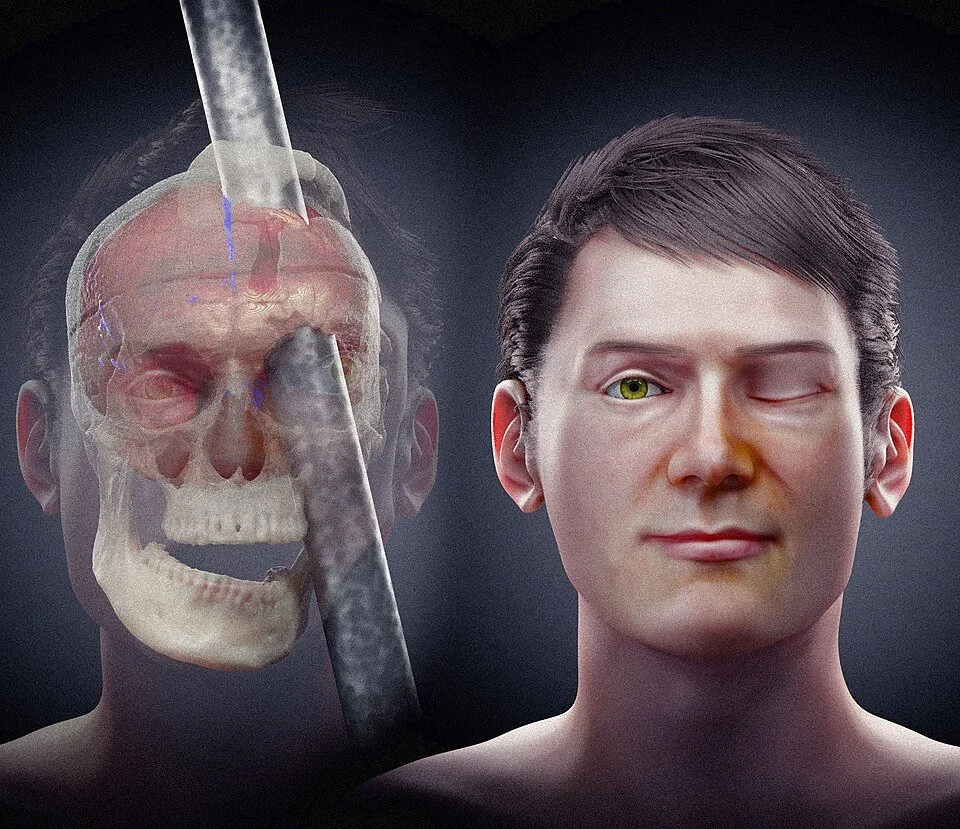
Not the most accurate rendition of his likeness IMHO.

(not) Actual footage of Phineas Gage, with one eye and a damaged frontal lobe navigating a precarious pass in his Chilean stagecoach.
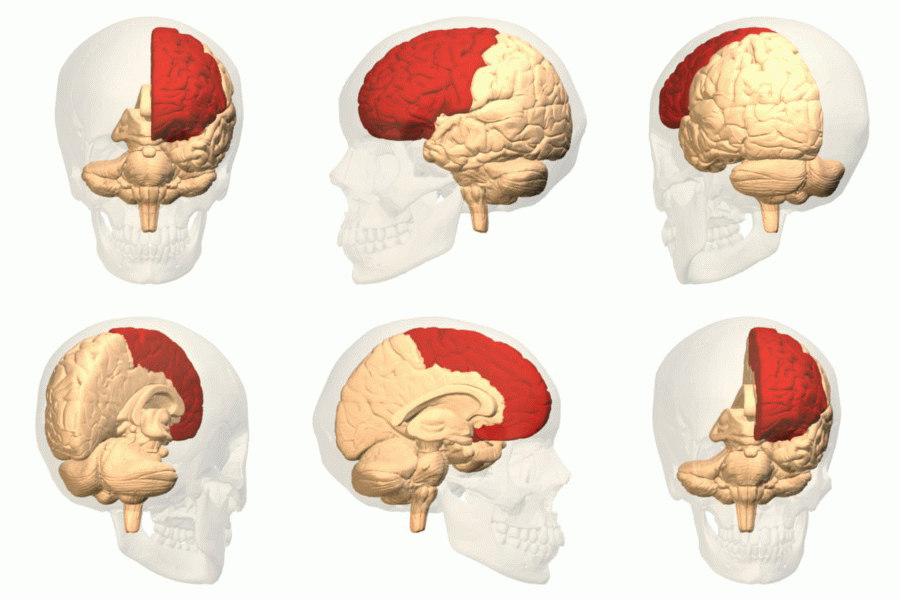
The frontal lobe
EP. 04
Frontal Lobe Disorders
A darkly fascinating dive into what happens when the brain’s “control center” goes off-script. In this podcast, we explore frontal lobe disorders through some of the strangest and most unsettling cases in neuroscience—from Phineas Gage and his personality-altering injury, to bizarre clinical stories where damage to the brain reshapes behavior, impulse, and identity in unexpected ways. These are the cases where people don’t just change—they become someone else, revealing how fragile the line is between who we are and what our brains allow us to be.

Capgras Syndrome / The Imposter Delusion
When your brain insists the people you love are imposters.
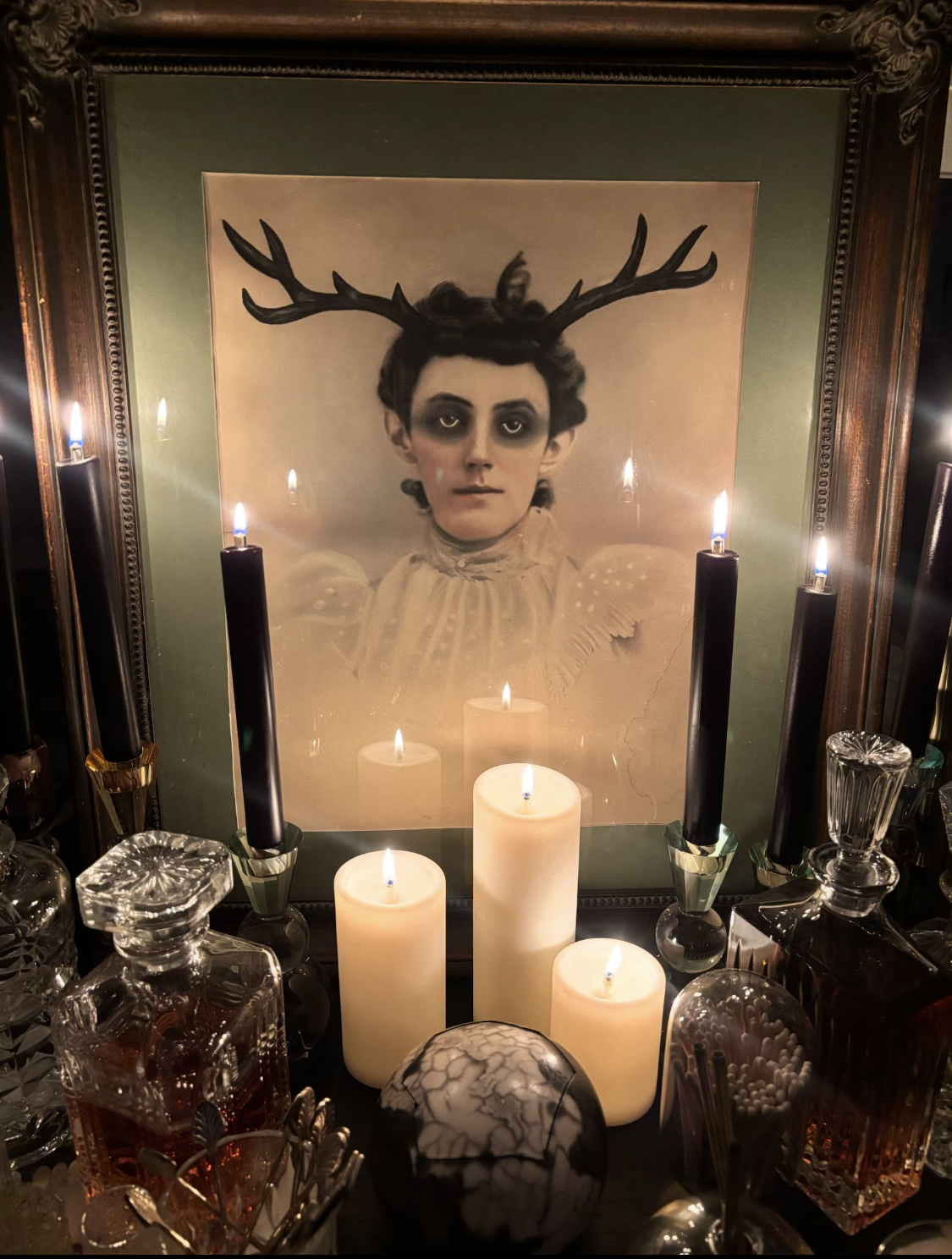
Viking Cat Lady’s prized Oakland Cemetery lady (that may or may not be possessed).
Click HERE for the original paper describing Madame M’s case in detail.
Written by: J. CAPGRAS and J. REBOUL-LACHAUX
J. Capgras himself
Click HERE for the clinical paper of the patient with Capgras that we discussed in the episode.
DON’T SAY I DIDN’T WARN YOU (it’s gruesome)!!!

Actual sack of potatoes.

Ferocious honey badger - significantly more threatening.

Penalty of the sack in ancient Rome
EP. 03
What if someone you love looked exactly the same—but you knew they weren’t really them? Capgras syndrome convinces people that familiar faces have been replaced by identical imposters. In this episode, we unpack the eerie disconnect between recognition and emotion, exploring how the brain can see someone clearly… yet feel nothing at all.
Cotard’s Syndrome / Walking Corpse Delusion
One of psychiatry’s strangest conditions—believing you are a walking corpse.
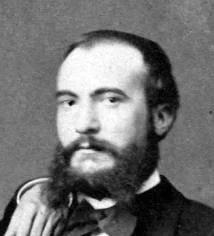
Jules Cotard
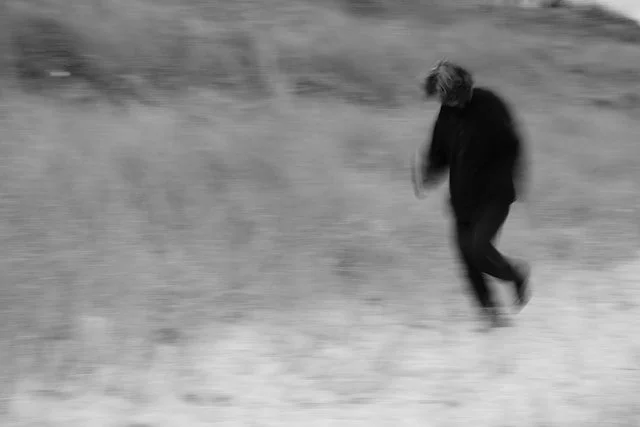
Since there are no images of Mademoiselle X or Graham, here’s a cool image that looks like a walking corpse

Graham’s version of Cheers
EP. 02
Imagine believing you’re already dead—or that you don’t exist at all. Cotard’s syndrome is one of the most disturbing disorders in psychiatry, where the mind rejects its own existence. In this episode, we dive into the haunting reality of this condition, the neuroscience behind it, and what it reveals about consciousness, identity, and the fragile sense of being alive.

Folie a Deux - Shared Psychosis
One of the strangest psychiatric phenomena: shared madness between two people.
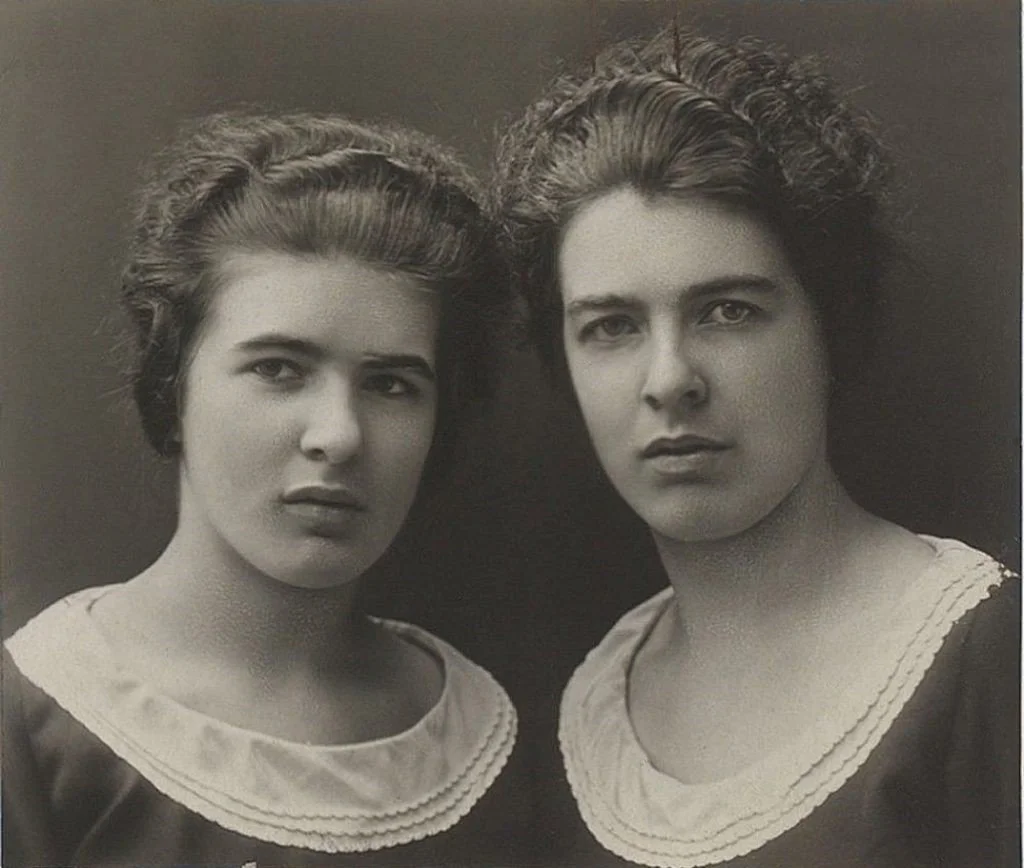
Lea and Christine Papin

Lea and Christine Papin
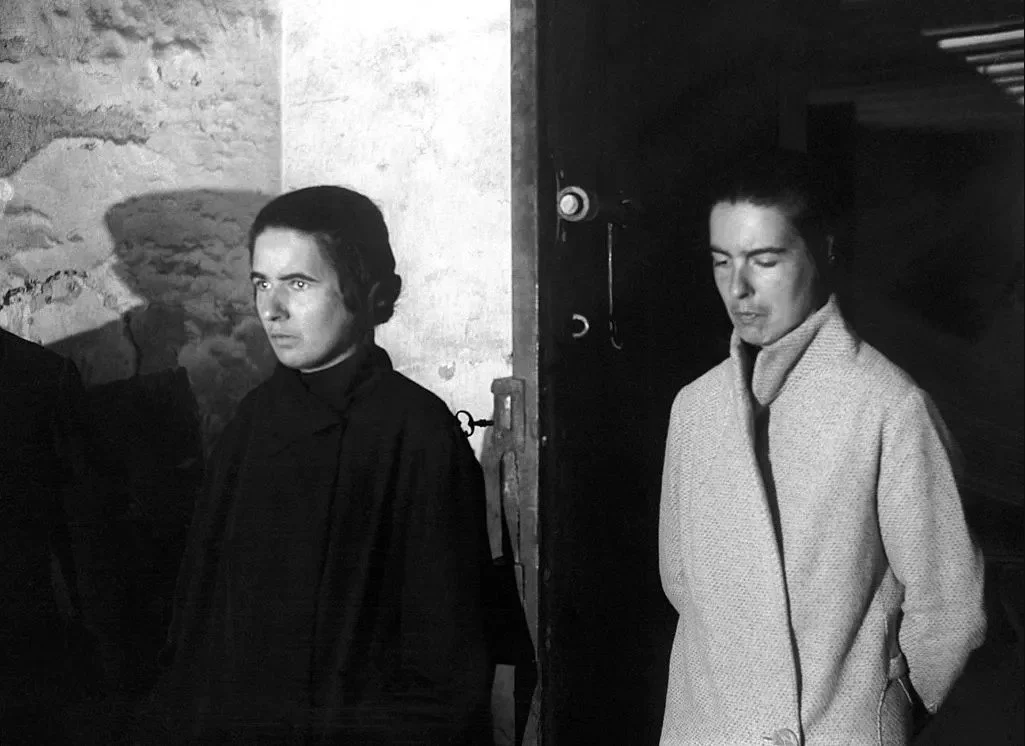
Lea and Christine Papin
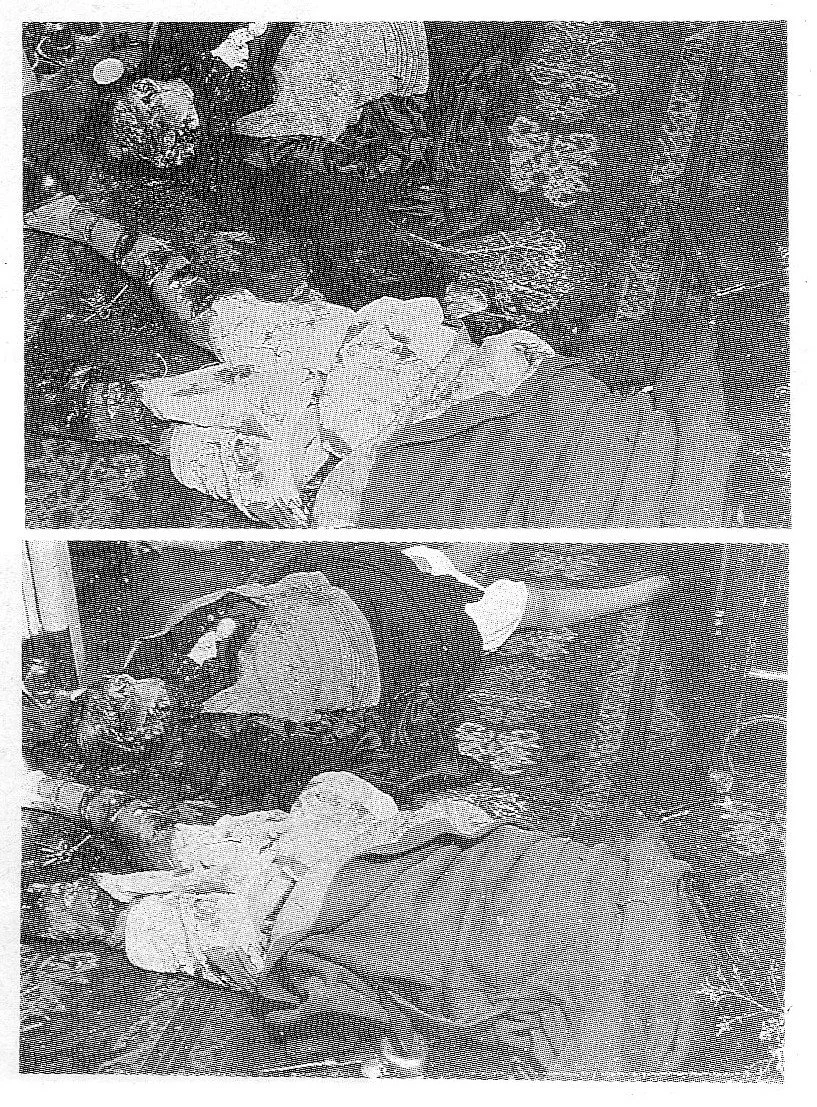
Madame Léonie Lancelin, and her daughter Genevieve - gouged eyes and bludgeoned butts
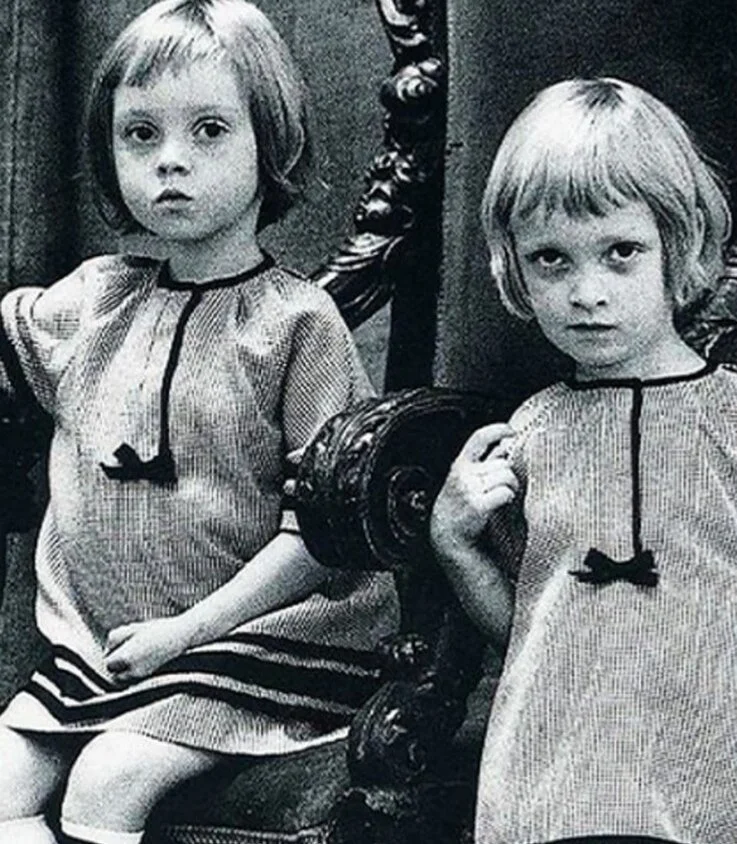
Ursula and Sabina Eriksson
Click HERE for the full episode of Motorway Cops featuring Ursula and Sabina Eriksson doing their thing.

Erikssons on the loose
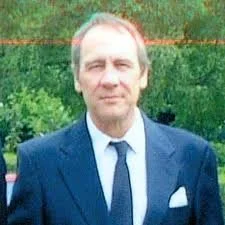
Good samaritan, Glenn Hollinshead - no good deed

EP. 01
Folie à Deux (Shared Psychosis)
What happens when two people share the same delusion—and reinforce it until it becomes their reality? In this episode, we explore folie à deux, a rare and unsettling condition where belief is contagious and truth becomes negotiable. Through real cases and psychological insight, we break down how relationships can blur the line between connection and distortion.